
 EN
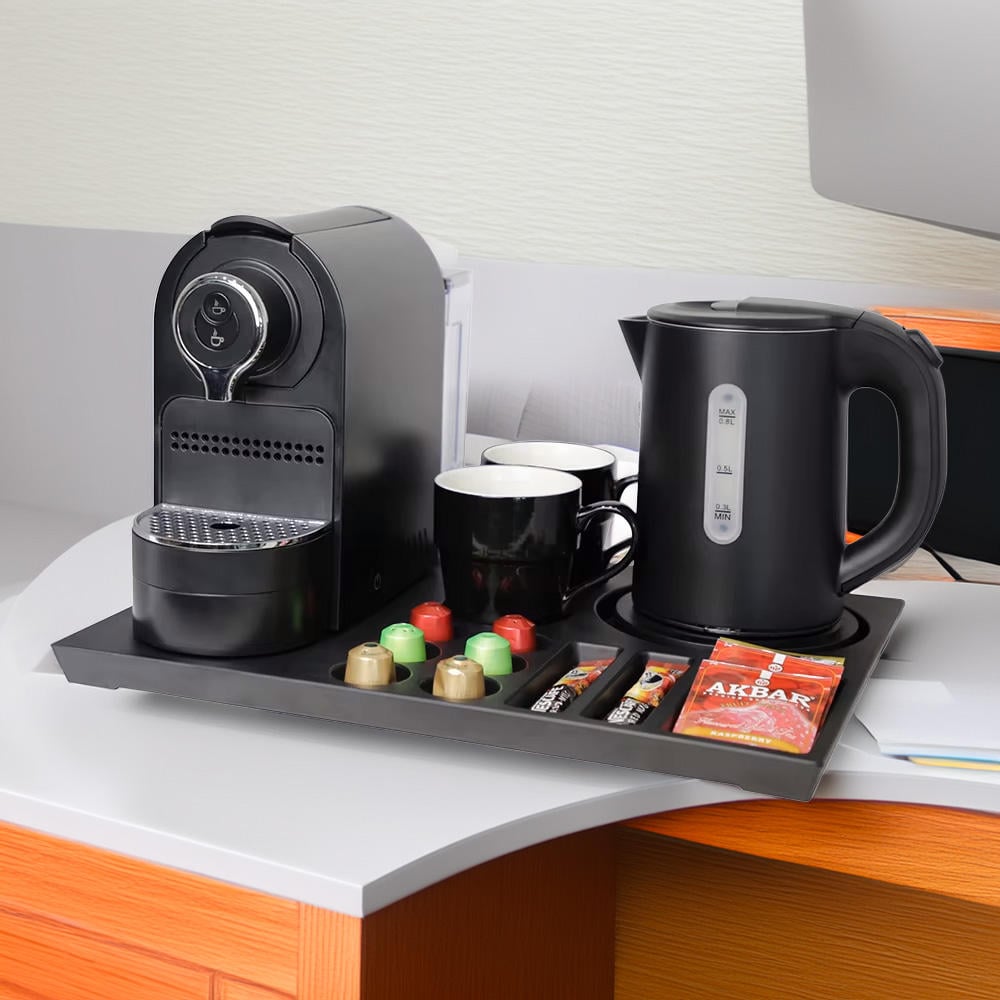
Heating element durability is a critical concern for hotel operations that depend on consistent beverage service throughout the day. In high-volume hospitality environments, a coffee machine operates continuously from early morning until late evening, subjecting its heating components to intense thermal cycling and sustained electrical loads. Understanding how these elements perform under daily hotel use ensures reliable service, minimizes downtime, and protects your investment.
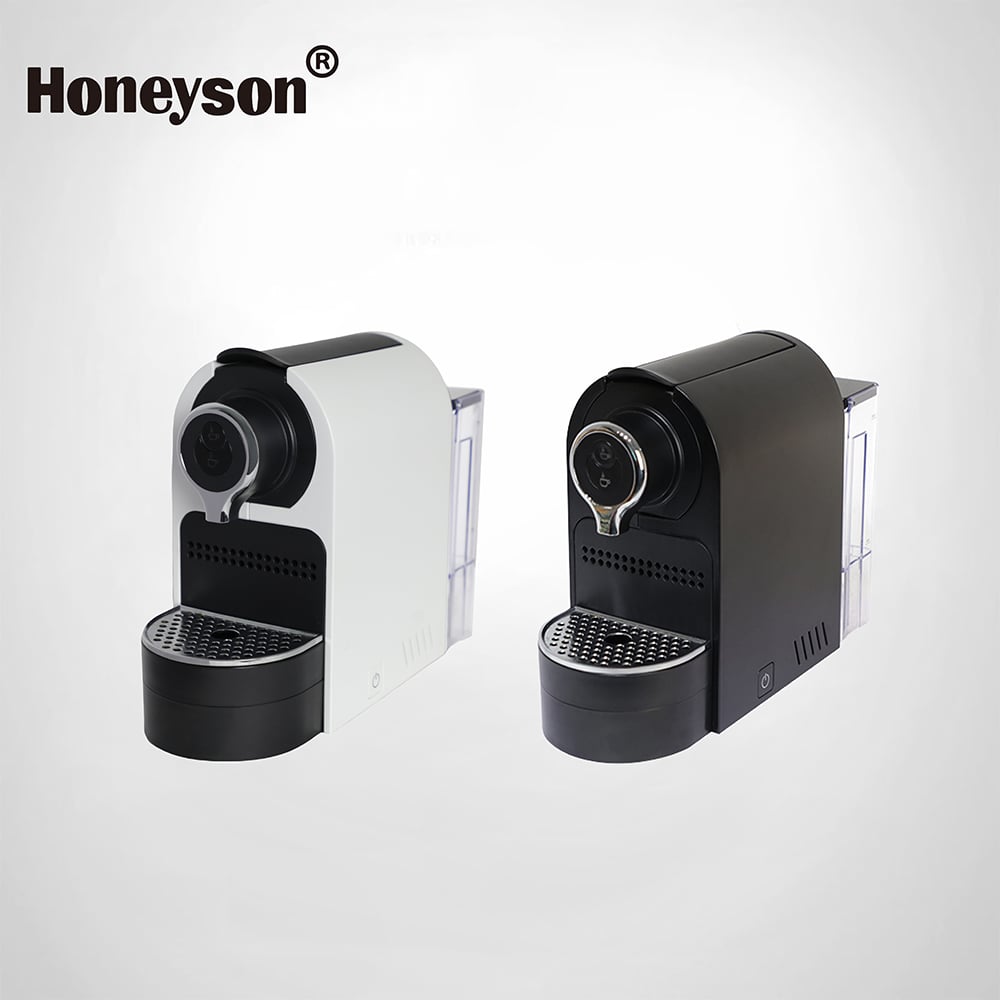
Hotels face unique challenges when selecting brewing equipment because they require machines that deliver both speed and longevity. A hotel coffee maker must brew dozens of cups daily without performance degradation or unexpected failures. The heating element sits at the core of this reliability equation, and its durability directly impacts guest satisfaction, operational costs, and staff productivity. This article explores the factors that determine heating element lifespan, how daily hotel use accelerates wear, and what strategies extend equipment longevity.
Understanding Heating Element Performance in High-Volume Environments
Thermal Cycling and Material Stress
Every brew cycle in a hotel coffee maker involves rapid heating and cooling phases that create mechanical stress on the heating element. When water flows through the element, temperature gradients form across the material, causing expansion and contraction. Over hundreds of daily cycles, this thermal cycling weakens the element's structural integrity. OEM coffee machine manufacturers design elements with specific materials and coatings to resist this stress, but the cumulative effect of continuous operation accelerates degradation. Premium stainless steel and nichrome alloys tolerate thermal cycling better than lower-grade alternatives, which is why institutional-grade equipment typically outlasts consumer models in hotel settings.
Mineral Buildup and Corrosion
Water quality significantly affects heating element durability in a drip coffee maker and other brewing systems. Hard water deposits minerals directly onto the element's surface, creating an insulating layer that forces the element to work harder and hotter to reach target temperatures. This mineral buildup accelerates corrosion and reduces heat transfer efficiency. Hotels with untreated water supplies experience faster heating element degradation than those using filtered or softened water. The drip coffee maker remains particularly vulnerable because standing water in the reservoir promotes mineral concentration. Regular descaling and water filtration are essential maintenance practices that protect heating elements and extend the operational life of hotel coffee equipment.
Daily Hotel Use Patterns and Their Impact on Durability
Extended Operating Hours and Continuous Load
A hotel coffee maker typically runs eight to ten hours daily, with peak demand concentrated in early morning and afternoon service windows. Unlike a residential coffee machine used for one or two cups per morning, hospitality equipment experiences relentless demand with minimal cool-down periods. This continuous electrical load generates sustained heat that pushes materials closer to their thermal limits. OEM coffee machine designs incorporate oversized heating elements and robust power management systems to handle this duty cycle, but undersized or poorly engineered units fail rapidly. The constant strain on the heating element accelerates micro-fractures in the material, particularly at connection points and stress concentration zones. Hotels that invest in purpose-built hospitality equipment avoid premature failures that plague adapted consumer-grade models.
Operator Variability and Maintenance Neglect
Hotel staff often rotate through positions, and not all team members receive thorough training on coffee equipment maintenance. Unlike dedicated baristas, hospitality staff may overlook descaling schedules, fail to empty drip trays, or ignore warning signs of malfunction. A neglected hotel coffee maker develops scale deposits that compromise heating element performance within weeks rather than months. Preventive maintenance directly correlates with heating element longevity, yet many properties underinvest in scheduled descaling and cleaning protocols. Hotels that implement mandatory maintenance checklists and staff training programs consistently report longer equipment lifespans and lower service costs. The initial investment in proper maintenance practices returns substantial savings through reduced replacement and repair expenses.
Solutions for Maximizing Heating Element Durability
Selecting Appropriate Equipment and Materials
Choosing a purpose-built hotel coffee maker rather than adapting consumer equipment is the foundational step toward durability. OEM coffee machine products engineered for hospitality environments feature enhanced heating elements constructed from food-grade stainless steel or specialized alloys designed to withstand thermal cycling. These elements include internal insulation, thermal regulation circuits, and redundant safety mechanisms absent in standard drip coffee maker designs. Hotels should prioritize machines with replaceable heating element cartridges, allowing cost-effective repairs without replacing entire units. Specification sheets from reputable manufacturers clearly identify material composition, rated thermal cycles, and expected service life under defined operating conditions. Investing upfront in quality equipment reduces long-term operational disruptions and maintains consistent beverage quality throughout each service day.
Implementing Systematic Maintenance and Water Management
Establishing a structured maintenance program directly extends heating element life in any coffee machine used in hospitality settings. Weekly descaling with approved solutions removes mineral deposits before they form hard crusts on internal surfaces. Monthly water filtration system replacement ensures that incoming water quality remains within manufacturer specifications. Staff training on proper shutdown procedures, equipment inspection, and emergency protocols prevents operator-induced damage that compounds heating element stress. Hotels that track maintenance intervals using digital checklists or equipment management software achieve significantly better durability outcomes compared to facilities relying on informal practices. The cost of descaling solutions and replacement filters represents a fraction of emergency repair expenses or equipment replacement, making preventive maintenance the most cost-effective durability strategy available.
FAQ
How long do heating elements typically last in a hotel coffee maker?
Well-maintained OEM coffee machine heating elements generally last between two to five years in daily hotel use, depending on water quality, usage intensity, and maintenance rigor. Consumer-grade drip coffee maker elements often fail within one to two years under the same conditions. Equipment subjected to poor maintenance or untreated hard water may experience heating element failure within six to twelve months. Hotels implementing proper descaling and water filtration typically achieve the upper end of this range, while properties with minimal maintenance encounter premature failures.
What signs indicate a failing heating element in a hotel coffee machine?
Common indicators include slow heating times, inconsistent brew temperatures, unusual electrical tripping, visible corrosion or mineral crusting on the element, and declining cup output per cycle. A coffee machine that takes significantly longer to heat water or produces weaker coffee despite correct settings suggests heating element degradation. If an OEM coffee machine shows these symptoms, immediate descaling and professional inspection should precede any replacement decision, as scaling often reverses some degradation when properly addressed.
Can hotels reduce heating element failure rates through water treatment?
Yes, water treatment systems dramatically improve heating element longevity in any hotel coffee maker. Installing point-of-use water filters or whole-facility softening systems removes minerals that accumulate on elements and cause accelerated corrosion. Hotels using softened or filtered water typically see heating element lifespans increase by fifty to one hundred percent compared to untreated tap water operations. While water treatment systems require initial capital investment, the extended durability of OEM coffee machine components and reduced maintenance costs justify the expense within the first year of operation.
