
 EN
EN
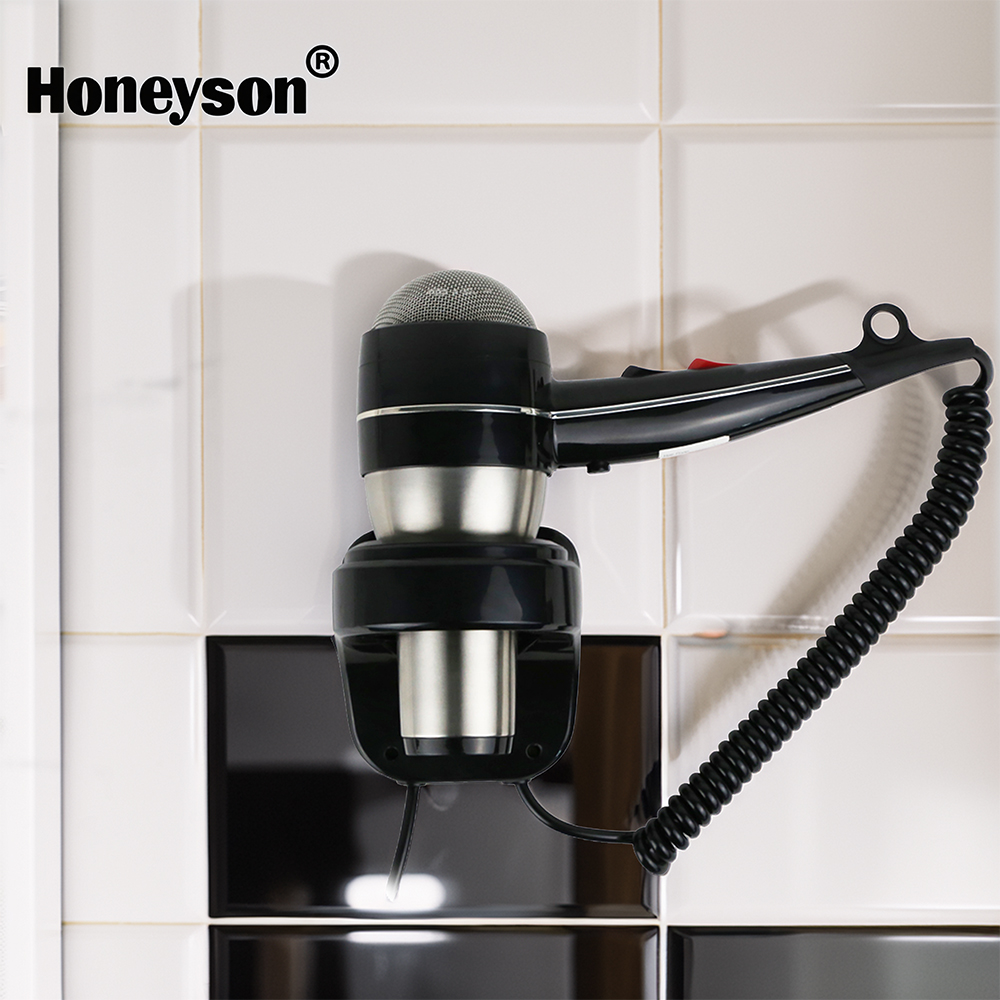
In the competitive landscape of hospitality, every detail of a guest's in-room experience contributes to satisfaction scores, repeat bookings, and overall brand reputation. Among the many amenities that guests evaluate, the hotel hair dryer is one of the most frequently used yet most overlooked investments a property manager can make. Outdated, underpowered dryers generate guest complaints, increase electricity costs, and quietly erode the perceived quality of even a beautifully designed room. The shift toward high-speed, energy-efficient models is not just a comfort upgrade — it is a financially sound operational decision with measurable returns.
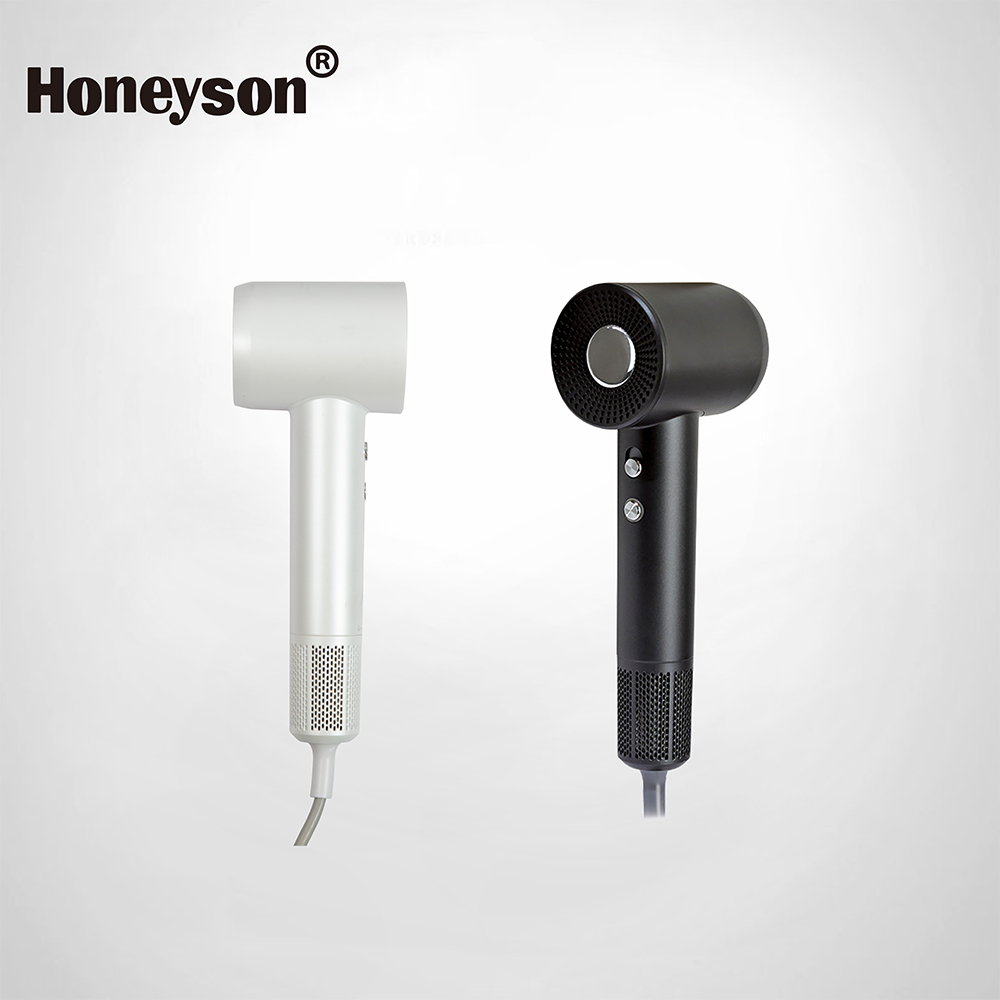
This article breaks down exactly how and why upgrading to a high-speed hotel hair dryer delivers a strong return on investment. From energy consumption data to guest satisfaction metrics, from maintenance cost reduction to housekeeping efficiency, the case for making this switch is both practical and compelling. Whether you manage a boutique property or a large-scale hotel chain, understanding the true ROI of your in-room hair care equipment can help you make smarter procurement decisions and improve your bottom line.
Understanding the Real Cost of a Standard Hotel Hair Dryer
Energy Consumption and Its Hidden Financial Impact
A conventional hotel hair dryer typically operates between 1200 and 1600 watts. While this might seem modest on a per-room basis, the cumulative electricity cost across an entire property running at high occupancy rates becomes significant. A 200-room hotel where guests use the hair dryer for an average of 10 minutes per stay, across 300 occupied nights per year, can generate tens of thousands of watt-hours of consumption annually from hair dryers alone.
High-speed brushless motor technology, now widely available in premium hotel hair dryer models, operates at higher RPMs with significantly lower wattage — often between 600 and 1000 watts — while delivering faster drying times. The net result is that guests finish in less time, and the unit runs for fewer minutes per use. This dual efficiency means energy savings are compounded, not just linear, making the upgrade financially attractive over any multi-year accounting horizon.
Hotel operators who track utility costs at a granular level frequently find that bathroom appliances, including the hotel hair dryer, represent a non-trivial percentage of in-room electricity consumption. Replacing legacy units with high-efficiency models is one of the few energy reduction strategies that simultaneously improves the guest experience rather than limiting it. This alignment of operational savings and guest satisfaction is rare and highly valuable.
Maintenance and Replacement Cycles
Traditional hotel hair dryers use carbon brush motors that degrade over time. The brushes wear down, generating heat inefficiency, electrical noise, and eventually motor failure. For housekeeping and maintenance teams, this means frequent inspections, replacements, and the overhead costs associated with managing inventory of replacement units. A standard-quality hotel hair dryer with a carbon brush motor may last 200 to 400 hours of operational use before requiring replacement.
By contrast, a high-speed hotel hair dryer built on a brushless motor architecture can sustain 1000 hours or more of operational life. This dramatically reduces the frequency of unit replacements, lowers procurement overhead, and minimizes the labor cost associated with in-room appliance maintenance. Over a five-year period, the reduction in replacement units alone can offset a substantial portion of the initial upgrade investment.
There is also the guest disruption factor to consider. A malfunctioning hotel hair dryer discovered mid-stay leads to front desk calls, potential room moves, and diminished review scores. Each preventable service failure has a ripple cost that extends well beyond the price of a single replacement unit. High-durability high-speed models mitigate this risk systematically across the entire property.
How High-Speed Technology Changes the Guest Experience
Drying Performance and Time Efficiency
The core value proposition of a high-speed hotel hair dryer is its ability to dry hair significantly faster than conventional models. Brushless motors spinning at 100,000 RPM or higher generate a concentrated, powerful airflow that penetrates hair more effectively, reducing drying time by 30 to 50 percent compared to a standard unit. For guests preparing for business meetings, early morning flights, or evening events, this time savings is genuinely meaningful.
Guest satisfaction in hospitality is often driven by convenience and the absence of friction. A slow, noisy, or overheating hotel hair dryer creates friction at a sensitive moment in the guest's routine. Conversely, a fast, quiet, ergonomically designed unit reinforces the impression of quality and attentiveness that premium hotels work hard to establish. The emotional association between a well-performing appliance and overall hotel quality is stronger than many operators realize.
Online review platforms regularly surface comments about in-room amenities, and the hotel hair dryer is mentioned more frequently than operators expect. Guests who encounter a fast, professional-grade unit often note it positively, while those who struggle with a weak or overheating device frequently mention it in negative reviews. Given how influential review scores are in booking decisions, the reputational dimension of this upgrade has tangible commercial value.
Noise Reduction and Room Comfort
One of the less-discussed advantages of high-speed hotel hair dryer models is their significantly reduced acoustic output. Traditional hair dryers are loud by design — the carbon brush motor and high-volume air chambers create substantial noise, often exceeding 85 decibels. In a hotel environment, this level of noise can disturb adjacent guests, particularly in thinner-walled properties or during early morning and late night hours.
High-speed brushless motors operate more quietly, with many premium units producing sound levels below 70 decibels. This reduction in noise is not merely a luxury consideration — it directly affects guest sleep quality, neighbor-room disturbance, and the overall ambient experience of the property. For hotels positioning themselves in the upper-midscale or luxury segment, acoustic thoughtfulness is a differentiator that guests notice and reward with loyalty.
A quieter hotel hair dryer also contributes to a more composed, spa-like bathroom experience, which aligns with the broader wellness positioning that many hotel brands are actively cultivating. This atmospheric benefit, while difficult to quantify in isolation, adds measurable value to the overall guest experience ecosystem that hotels invest millions to curate.
Calculating the ROI: A Practical Framework
Upfront Cost Versus Long-Term Savings
A high-speed hotel hair dryer typically carries a higher unit cost than a standard model, often ranging from two to four times the price depending on specification level. This upfront delta is the primary reason some procurement teams hesitate. However, when total cost of ownership is modeled over a three-to-five-year window, the calculation shifts decisively in favor of the premium unit.
The ROI calculation for upgrading your hotel hair dryer inventory should account for four primary savings streams: reduced electricity consumption per use cycle, fewer unit replacements over the depreciation period, lower maintenance labor costs, and avoided service recovery costs from guest complaints. When these four streams are aggregated for a mid-sized property, the payback period for a premium high-speed unit typically falls between 18 and 30 months.
Beyond direct cost savings, the ROI framework should incorporate revenue-side considerations. Hotels with measurably higher guest satisfaction scores command higher average daily rates, achieve better direct booking ratios, and retain guests more effectively. While it is not possible to isolate the contribution of a single amenity to RevPAR performance, the cumulative effect of multiple quality upgrades — including the in-room hotel hair dryer — on guest scoring and revenue is well-documented in hospitality research.
Procurement Strategy and Volume Considerations
For hotel groups managing multiple properties, procurement strategy for the hotel hair dryer category benefits from standardization. Selecting a single high-specification model across all properties allows for volume pricing negotiations, simplified spare parts management, and a consistent brand experience for guests who stay at multiple properties within the same group.
Standardization also simplifies training for housekeeping staff, who inspect and report on in-room appliance condition during room turnovers. When every room uses the same hotel hair dryer model, staff can identify faults more quickly and accurately, further reducing the time between failure detection and resolution. This operational consistency has indirect cost benefits that accumulate meaningfully at scale.
Hotel operators should also evaluate warranty terms, after-sales support, and supply chain reliability when selecting a high-speed hotel hair dryer for large-scale deployment. A unit that is difficult to service or source replacement parts for will erode the long-term savings the upgrade was designed to generate. Supplier partnership quality is therefore a meaningful part of the total ROI equation.
Sustainability Benefits and ESG Alignment
Energy Reduction as a Sustainability Metric
Hotels around the world are under increasing pressure from guests, investors, and regulators to demonstrate measurable progress on environmental sustainability. Energy efficiency is one of the most direct and quantifiable paths to reducing a property's carbon footprint, and every high-efficiency appliance deployment contributes to that goal. Replacing a conventional hotel hair dryer with a high-speed, low-wattage unit is a legitimate and reportable energy reduction action.
For properties pursuing green building certifications or sustainability ratings, documenting the energy specifications of in-room appliances — including the hotel hair dryer — can contribute to certification point thresholds. While a single appliance category will not make or break a certification, the aggregated impact of appliance upgrades across hundreds of rooms is genuinely material and auditable.
Communicating sustainability improvements to guests is also a commercial strategy. Travelers who prioritize environmental responsibility increasingly factor a hotel's sustainability practices into their booking decisions. Properties that can credibly communicate their energy reduction initiatives, including transitions to high-efficiency in-room appliances like the hotel hair dryer, gain a reputational edge in a segment of the market that is growing rapidly.
Reduced E-Waste Through Extended Product Life
The environmental cost of disposable appliances extends beyond energy consumption. Every hotel hair dryer unit that fails prematurely and must be discarded contributes to electronic waste, a growing global environmental concern. The extended operational life of high-speed brushless motor units — often more than double that of conventional models — means fewer units are manufactured, shipped, and discarded per room per decade.
From a lifecycle assessment perspective, the high-speed hotel hair dryer outperforms standard models on both energy use and material waste metrics. This dual environmental advantage strengthens the ESG case for the upgrade and provides additional language for sustainability reporting frameworks that hotel operators are increasingly required to complete for investor and regulatory audiences.
Hotels that integrate product lifecycle thinking into their procurement decisions demonstrate a level of operational sophistication that resonates with institutional investors, sustainability-focused travel agencies, and corporate travel managers. The hotel hair dryer may seem like a minor detail, but its selection reflects — and contributes to — a broader philosophy of responsible, long-term asset management.
FAQ
How long does it typically take for a high-speed hotel hair dryer upgrade to pay for itself?
The payback period depends on property size, occupancy rate, and local electricity costs, but most operators see full cost recovery within 18 to 30 months when accounting for energy savings, reduced replacement frequency, lower maintenance labor, and avoided guest complaint costs. Larger properties with higher occupancy tend to see faster payback due to the higher volume of use cycles across which savings accumulate.
Is the power output of a high-speed hotel hair dryer sufficient for guests with thick or long hair?
Yes — high-speed brushless motor technology delivers superior airflow velocity rather than simply higher wattage. The concentrated, high-velocity airstream produced by a quality high-speed hotel hair dryer is more effective at drying dense or long hair than a high-wattage conventional unit with lower airflow efficiency. Guests with demanding hair care needs often find high-speed models more effective, not less, despite the lower wattage specification.
What should hotels look for when evaluating a high-speed hotel hair dryer for bulk procurement?
Key evaluation criteria include motor rated operational hours, acoustic output in decibels, wattage relative to airflow performance, safety certifications for international electrical standards, cord length and mounting compatibility with in-room installation requirements, and after-sales support availability from the supplier. Warranty terms and the supplier's ability to fulfill consistent reorders are particularly important for multi-property hotel groups standardizing on a single model.
Do guests actually notice the difference between a standard and a high-speed hotel hair dryer?
Guest feedback data consistently shows that in-room hair dryer performance is noticed and commented upon both in post-stay surveys and public review platforms. Faster drying time, quieter operation, and a more ergonomic design are the three attributes most frequently cited positively by guests who experience a premium hotel hair dryer. Properties that have made this upgrade report measurable improvements in bathroom amenity scores within a single review cycle after deployment.
Table of Contents
- Understanding the Real Cost of a Standard Hotel Hair Dryer
- How High-Speed Technology Changes the Guest Experience
- Calculating the ROI: A Practical Framework
- Sustainability Benefits and ESG Alignment
-
FAQ
- How long does it typically take for a high-speed hotel hair dryer upgrade to pay for itself?
- Is the power output of a high-speed hotel hair dryer sufficient for guests with thick or long hair?
- What should hotels look for when evaluating a high-speed hotel hair dryer for bulk procurement?
- Do guests actually notice the difference between a standard and a high-speed hotel hair dryer?