
 EN
EN
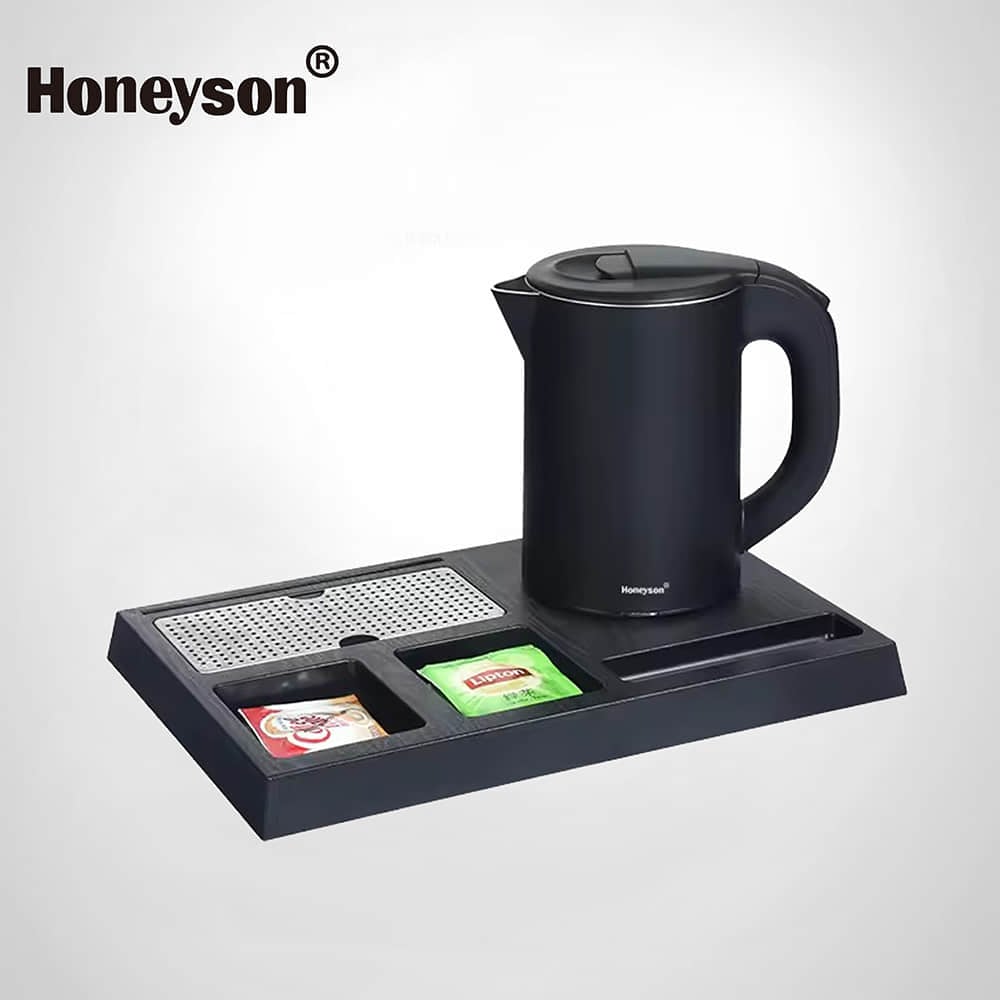
As the year draws to a close, hospitality managers face the critical task of ensuring all in-room electrical appliances are functioning at optimal levels for the upcoming busy season. From coffee makers to hair dryers, and especially the essential hotel guestroom kettle set, every electrical component plays a vital role in guest satisfaction. End-of-year maintenance routines not only prevent unexpected breakdowns but also extend appliance lifespan and maintain consistent service quality. This comprehensive approach to electrical appliance care ensures your property starts the new year with reliable, efficient equipment that enhances the overall guest experience.
Essential Pre-Winter Appliance Assessment
Comprehensive Visual Inspection Protocol
Begin your end-of-year maintenance with a thorough visual examination of each electrical appliance in your guest rooms. Check power cords for fraying, cracking, or exposed wiring that could pose safety hazards or operational failures. Pay particular attention to high-use items like hotel guestroom kettle set units, which experience frequent thermal cycling and moisture exposure. Document any visible wear patterns, discoloration around heating elements, or loose connections that require immediate attention. This initial assessment helps prioritize maintenance tasks and identifies appliances needing replacement before peak occupancy periods.
Examine each appliance's exterior housing for cracks, dents, or signs of overheating that could indicate internal component stress. Test all switches, buttons, and control mechanisms to ensure smooth operation without sticking or unusual resistance. For kettle sets specifically, inspect the base unit for mineral buildup or corrosion that might affect electrical contact points. Create a standardized checklist for housekeeping staff to identify potential issues during routine cleaning, enabling early detection of problems before they escalate into guest complaints or safety concerns.
Performance Testing and Calibration
Conduct systematic performance tests on all electrical appliances to verify they meet manufacturer specifications and guest expectations. For heating appliances like your hotel guestroom kettle set, measure actual heating times and temperature accuracy using calibrated thermometers. Test coffee makers for brewing temperature consistency and extraction quality, ensuring optimal flavor profiles that guests expect. Document baseline performance metrics to track degradation over time and establish replacement schedules based on actual usage patterns rather than arbitrary timelines.
Verify that safety features function correctly, including automatic shut-off mechanisms, temperature limiters, and ground fault protection systems. Test each appliance under various load conditions to simulate real-world usage patterns and identify potential failure points. Pay special attention to appliances with multiple functions or complex control systems, as these often require more frequent calibration and maintenance. Establish performance benchmarks that trigger maintenance alerts when appliances begin operating outside acceptable parameters, ensuring consistent guest experiences across all rooms.
Deep Cleaning and Descaling Procedures
Mineral Deposit Removal Strategies
Hard water mineral deposits represent one of the most common causes of appliance failure and reduced performance in hospitality settings. Implement comprehensive descaling protocols for all water-using appliances, particularly your hotel guestroom kettle set inventory where mineral buildup directly impacts heating efficiency and guest satisfaction. Use manufacturer-recommended descaling solutions or food-grade citric acid mixtures to dissolve calcium and magnesium deposits without damaging internal components. Establish descaling frequency based on local water hardness levels and usage patterns, with more frequent treatment in high-mineral water areas.
Document the descaling process with before and after photos to track improvement and identify appliances requiring more intensive treatment. Train maintenance staff on proper descaling techniques, including appropriate solution concentrations, contact times, and thorough rinsing procedures. For stubborn mineral deposits, consider ultrasonic cleaning methods or specialized removal tools that can access difficult-to-reach areas without disassembling delicate components. Maintain detailed records of descaling activities to support warranty claims and demonstrate proactive maintenance to insurance providers.
Sanitization and Hygiene Protocols
Beyond basic cleaning, implement hospital-grade sanitization procedures for all guest-contact surfaces on electrical appliances. Use EPA-approved disinfectants that are safe for use on electronic components while providing effective pathogen elimination. Pay particular attention to frequently touched areas like kettle handles, coffee maker controls, and power switches where bacteria and viruses can accumulate. Ensure sanitization products do not leave residues that could affect appliance operation or create unpleasant tastes or odors for guests.
Develop color-coded cleaning systems to prevent cross-contamination between different room types or appliance categories. Train housekeeping staff on proper sanitization timing, allowing adequate contact time for disinfectants while preventing damage to sensitive electronic components. For appliances like hotel guestroom kettle set units that contact consumables, use food-safe sanitizers and ensure complete rinsing to eliminate any chemical residues. Implement quality control checks to verify sanitization effectiveness and maintain the high hygiene standards guests expect in today's health-conscious environment.
Preventive Maintenance Scheduling
Seasonal Maintenance Calendar Development
Create a comprehensive maintenance calendar that aligns appliance care with your property's occupancy patterns and seasonal demands. Schedule intensive maintenance activities during low-occupancy periods to minimize guest disruption while ensuring equipment readiness for peak seasons. Develop separate maintenance tracks for different appliance categories, recognizing that items like hotel guestroom kettle set units may require more frequent attention due to higher usage rates and water quality impacts. Coordinate maintenance schedules with housekeeping routines to maximize efficiency and ensure consistent room availability.
Integrate manufacturer maintenance recommendations with your property's specific usage patterns and environmental conditions. Factor in local climate considerations, such as humidity levels that affect electrical components or temperature extremes that stress heating and cooling systems. Establish backup equipment protocols to maintain service continuity during maintenance periods, ensuring guest satisfaction remains uncompromised. Use property management software to automate maintenance reminders and track completion rates, creating accountability and ensuring no critical maintenance tasks are overlooked.
Inventory Management and Replacement Planning
Develop sophisticated inventory tracking systems that monitor appliance performance trends and predict replacement needs before failures occur. Analyze historical data to identify patterns in appliance lifespan across different room types, usage levels, and maintenance protocols. For high-turnover items like your hotel guestroom kettle set inventory, maintain strategic spare equipment levels that accommodate both routine replacement and emergency situations. Establish relationships with suppliers that provide priority delivery and competitive pricing for bulk replacement orders.
Implement staged replacement programs that prevent simultaneous failures across multiple rooms and spread capital expenditures over manageable timeframes. Consider lifecycle cost analysis when selecting replacement appliances, weighing initial purchase price against energy efficiency, maintenance requirements, and expected service life. Maintain detailed replacement histories to support budget planning and identify opportunities for bulk purchasing discounts. Coordinate replacement schedules with renovation projects to maximize efficiency and minimize guest disruption during equipment upgrades.
Energy Efficiency and Cost Optimization
Power Consumption Analysis
Conduct detailed energy audits of all in-room electrical appliances to identify opportunities for cost reduction and environmental impact improvement. Use power meters to measure actual consumption patterns for different appliance types and usage scenarios, comparing results to manufacturer specifications and industry benchmarks. Focus particular attention on high-usage items like hotel guestroom kettle set units, which can significantly impact overall energy consumption due to their heating requirements and frequency of use. Identify energy waste patterns and implement targeted solutions to reduce operational costs without compromising guest comfort.
Analyze power consumption data across different times of day and seasonal periods to understand usage patterns and peak demand characteristics. Implement smart power management systems that automatically reduce standby power consumption during low-occupancy periods while ensuring immediate availability when guests arrive. Consider programmable controls that optimize heating cycles and reduce energy waste during extended non-use periods. Document energy savings achievements to support sustainability reporting and demonstrate cost management effectiveness to ownership and management companies.
Upgrade and Technology Integration
Evaluate opportunities to integrate smart technology and energy-efficient appliances into your guest room inventory during the end-of-year maintenance cycle. Research latest appliance technologies that offer improved energy efficiency, enhanced guest experiences, and reduced maintenance requirements. Consider smart hotel guestroom kettle set options that provide precise temperature control, energy monitoring, and remote diagnostics capabilities. Analyze return on investment calculations for energy-efficient upgrades, factoring in utility savings, maintenance cost reductions, and potential guest satisfaction improvements.
Implement gradual technology adoption strategies that allow staff training and system integration without overwhelming operational capacity. Establish pilot programs in select rooms to evaluate new technologies before property-wide implementation, gathering guest feedback and operational data to inform future decisions. Partner with technology vendors that provide comprehensive support, training, and warranty coverage to ensure successful integration. Maintain compatibility between new and existing systems to support phased upgrade approaches and budget management flexibility.
Staff Training and Safety Protocols
Technical Competency Development
Invest in comprehensive training programs that equip maintenance and housekeeping staff with the knowledge and skills needed to properly care for electrical appliances. Develop standardized procedures for common maintenance tasks, troubleshooting protocols, and safety practices that protect both staff and equipment. Provide specialized training for high-value or complex appliances like your hotel guestroom kettle set inventory, ensuring staff understand proper operation, cleaning procedures, and early warning signs of potential problems. Create competency certification programs that validate staff capabilities and support career development opportunities.
Establish mentorship programs that pair experienced technicians with newer staff members, facilitating knowledge transfer and hands-on skill development. Provide regular refresher training to keep staff current with evolving technologies, safety regulations, and best practices in appliance maintenance. Document training completion and maintain certification records to support liability protection and demonstrate compliance with safety standards. Implement cross-training initiatives that ensure multiple staff members can handle critical maintenance tasks, reducing dependency on individual expertise.
Emergency Response Procedures
Develop comprehensive emergency response protocols for electrical appliance failures, safety incidents, and guest complaints related to in-room equipment. Train staff to quickly assess situations, implement immediate safety measures, and escalate issues appropriately to minimize guest impact and safety risks. Create clear communication channels between housekeeping, maintenance, and front desk staff to ensure rapid response to equipment problems. For critical items like hotel guestroom kettle set units that guests expect for immediate use, establish protocols for rapid replacement and guest accommodation when failures occur.
Maintain emergency contact information for appliance manufacturers, service technicians, and parts suppliers to expedite repairs during critical situations. Implement guest communication scripts that professionally address appliance issues while demonstrating commitment to resolution and guest satisfaction. Create incident reporting systems that capture detailed information about appliance failures, enabling trend analysis and preventive action implementation. Regular emergency response drills help staff maintain readiness and identify areas for procedure improvement.
FAQ
How often should hotel guestroom kettle sets be professionally serviced
Professional servicing for hotel guestroom kettle set units should occur quarterly in high-usage properties or areas with hard water conditions. Standard maintenance properties can extend this to semi-annual professional service, with monthly internal inspections and cleaning. The frequency depends on water quality, usage levels, and manufacturer recommendations, but consistent descaling and performance testing ensure optimal guest experiences and extended appliance lifespan.
What are the most common electrical appliance failures in hotel rooms
The most frequent failures include heating element burnout in kettles and coffee makers, cord damage from frequent plugging and unplugging, and mineral buildup affecting water-based appliances. Control switch failures, thermostat malfunctions, and safety circuit problems also commonly occur. Regular preventive maintenance, proper staff training, and quality equipment selection significantly reduce these failure rates and associated guest complaints.
How can properties reduce energy costs from in-room electrical appliances
Energy cost reduction strategies include implementing programmable controls that reduce standby power consumption, upgrading to energy-efficient appliances with better insulation and heating elements, and establishing usage monitoring systems. Smart power strips, automatic shutoffs, and guest education about energy-conscious appliance use contribute to significant savings. Regular maintenance ensures appliances operate at peak efficiency, preventing energy waste from poorly performing equipment.
What safety certifications should hotel electrical appliances maintain
Hotel electrical appliances must maintain UL (Underwriters Laboratories) certification for North American properties, CE marking for European compliance, and relevant local electrical safety certifications. Additionally, appliances should meet hospitality industry standards such as those from the American Hotel and Lodging Association. Regular safety inspections, proper grounding verification, and compliance with local fire codes ensure guest safety and liability protection for property owners.