
 EN
When hotels source products from guest amenities suppliers, regulatory compliance becomes a critical operational requirement. Hotels must navigate a complex landscape of safety certifications, import regulations, and product standards to protect both guest experience and legal standing. Understanding which compliance documents are necessary before importing guest amenities can prevent costly delays, product recalls, and potential liability issues that disrupt hotel operations and damage reputation.
The import process for hotel room accessories involves multiple stakeholder requirements including customs authorities, local health departments, electrical safety boards, and international standards bodies. Each category of amenity—whether electrical, hygiene-related, or decorative—carries distinct compliance obligations. Hotels that fail to secure proper documentation face import seizures, installation restrictions, and regulatory fines. By mapping the complete compliance framework before partnering with OEM guest amenities manufacturers, purchasing managers and hotel operators can build efficient supply chains that deliver quality products without regulatory friction.
Essential Certifications and Safety Standards
Electrical Safety and Product Compliance
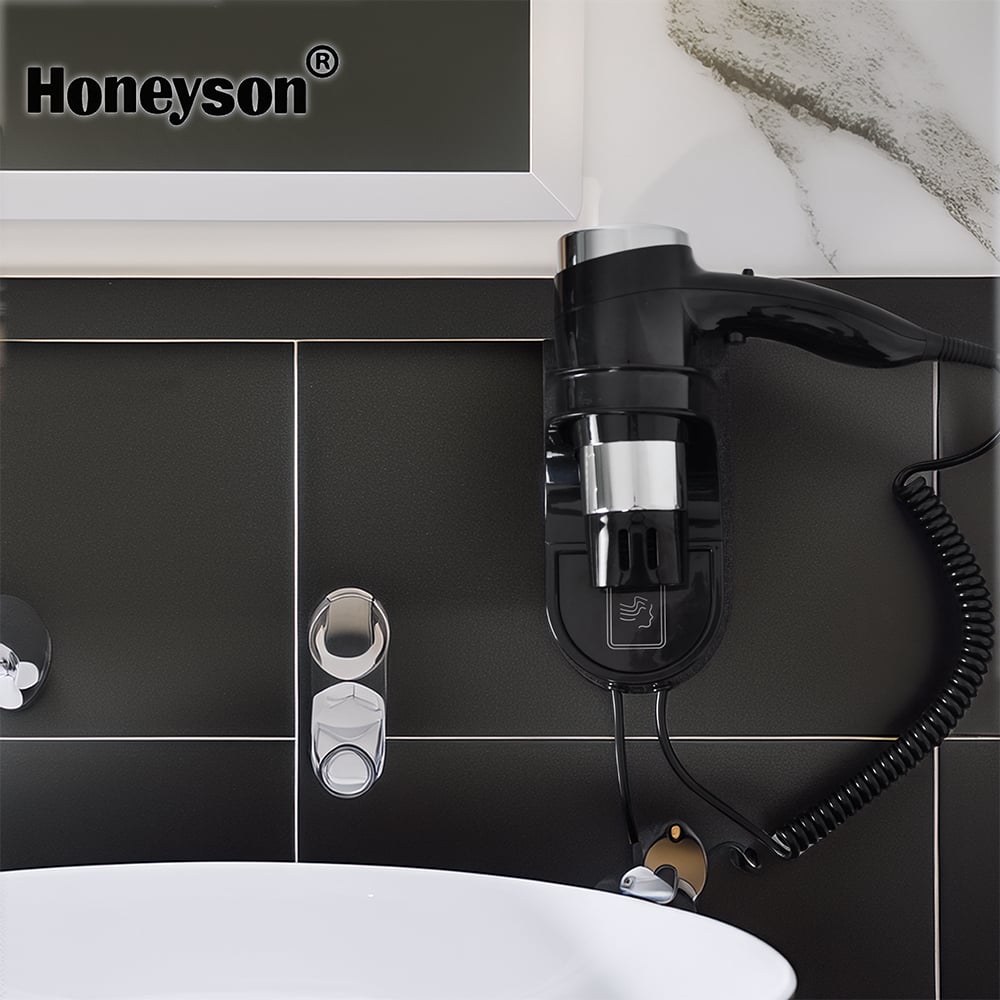
Guest amenities that require electrical power—such as kettles, hair dryers, charging devices, and bathroom appliances—must carry appropriate electrical safety certifications. These certifications vary by destination country but commonly include UL (Underwriters Laboratories) for North American markets, CE marking for European Union import, and local equivalents in Asia-Pacific regions. Hotels must verify that electrical guest amenities meet voltage specifications, have grounding compliance, and include thermal cutoff protection. Documentation should include technical test reports from accredited laboratories confirming that products do not pose shock, fire, or burn hazards to guests.
Hotel electrical amenities also require compliance with specific standards such as IEC 60335-1 for appliance safety and country-specific requirements like CSA certification in Canada. The hotel's purchasing team must request copies of test certificates, safety data sheets, and product instruction manuals in the destination language before accepting delivery. Non-compliance in electrical equipment creates immediate liability exposure and may result in guest injuries that trigger lawsuits and regulatory investigations.
Material and Chemical Safety Documentation
Hotel room accessories made from plastics, metals, or textiles must comply with material safety standards and chemical usage regulations. Many jurisdictions prohibit or restrict certain flame retardants, phthalates, and heavy metals in products destined for hospitality use. Suppliers of OEM guest amenities should provide certificates of conformance (CoC) verifying compliance with REACH regulations (European Union), California Proposition 65, or equivalent material safety frameworks. These documents confirm that products contain no prohibited or restricted substances at concentration levels exceeding regulatory thresholds.
Hotels importing bath products, toiletries, or textiles must also obtain microbiological test reports showing that items meet hygiene standards and do not harbor bacteria or mold that could affect guest health. Testing laboratories conduct sterility checks and pathogen screening to confirm safety, particularly important for linens, towels, and bathroom amenities that make direct contact with guests.
Regulatory Documentation and Import Requirements
Customs Classification and Tariff Documentation
Before importing guest amenities, hotels must work with customs brokers or freight forwarders to classify products under the correct Harmonized Tariff Schedule (HTS) codes. Improper classification can result in duty assessment errors, delayed clearance, or shipment confiscation. Guest amenities suppliers should provide detailed product descriptions, material composition lists, and country-of-origin certificates (Form A or equivalent) to facilitate accurate customs processing. Hotels must also ensure compliance with local trade agreements and tariff preferences that may apply to specific origin countries.
Packing lists and commercial invoices must accurately describe product contents, quantities, and declared values for customs valuation purposes. Undervaluation or misdescription of shipments can trigger customs investigations and impose additional penalties on the hotel importer. Reputable guest amenities suppliers provide detailed shipping documentation that supports transparent customs declarations and reduces import friction.
Health and Sanitation Permits
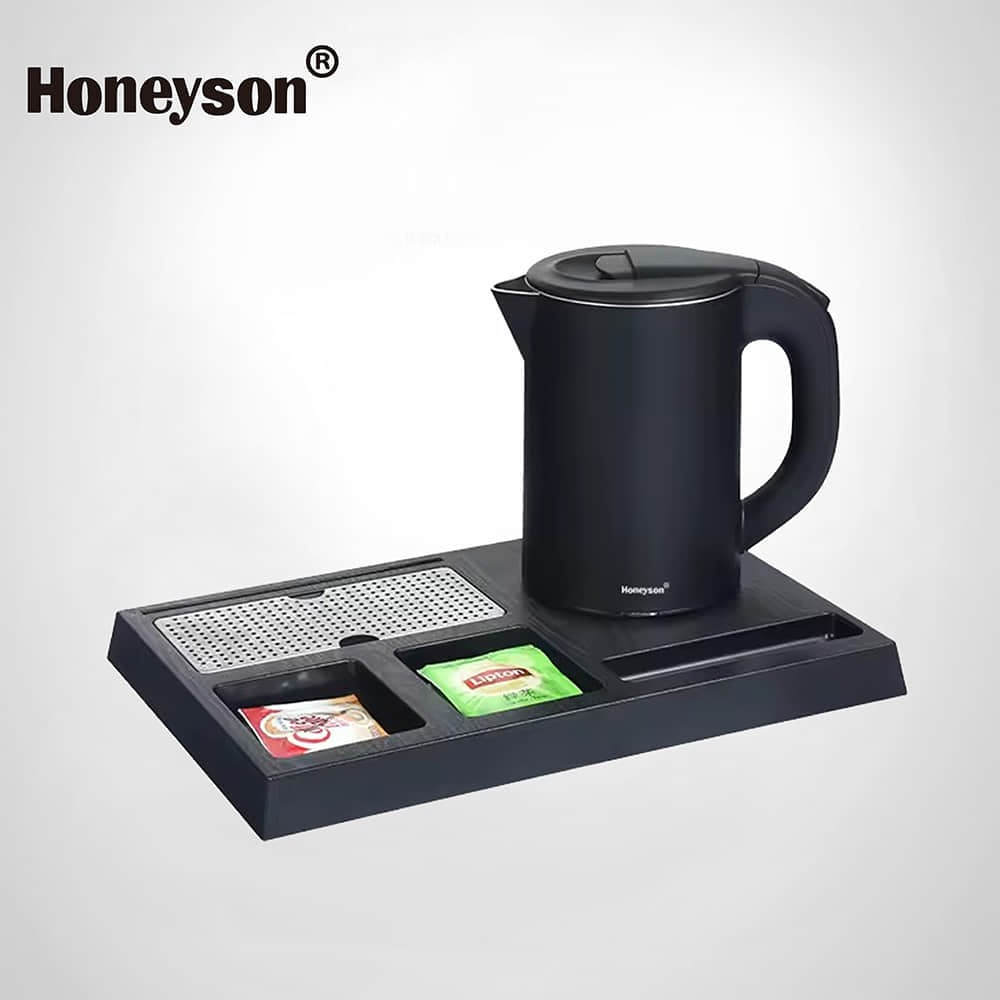
Guest amenities that come into contact with food or beverages—such as kettles, coffee makers, glasses, or dishware—may require food contact certification from local health authorities. Hotels must obtain health department import permits confirming that these items meet food safety standards and pose no contamination risk. Documentation typically includes manufacturing facility registration, food contact material testing certificates, and hygienic process certifications. Some jurisdictions require hotels to notify health agencies before bringing in new room accessories and may conduct inspections to verify compliance.
Textile-based amenities like robes, slippers, or linens often need sanitation certifications proving they have been treated with safe antimicrobial agents or fire retardants approved for hospitality use. Hotels should request these certificates from all OEM guest amenities suppliers before import to avoid rejection at customs or health checkpoints.
Strategic Compliance Management for Hotel Procurement
Building Compliance Into Supplier Selection
Hotels should establish procurement processes that require all potential guest amenities suppliers to provide complete compliance documentation before quotes are finalized. Creating a compliance checklist that includes electrical certifications, material safety reports, health permits, and origin documentation ensures that hotels evaluate suppliers based on regulatory readiness, not just price. Purchasing agreements should include contractual clauses requiring suppliers to maintain updated certifications and indemnify hotels against non-compliance violations.
Hotels with multiple properties or international operations benefit from centralizing compliance review through a procurement team familiar with each destination market's specific regulations. This approach reduces duplication, standardizes documentation requirements across locations, and builds institutional knowledge about which guest amenities suppliers consistently meet regulatory standards. Hotels can also request that suppliers obtain and maintain compliance certifications proactively, shifting responsibility for regulatory compliance upstream to manufacturers rather than managing it reactively after import.
Ongoing Compliance Monitoring and Documentation Records
After importing guest amenities, hotels must maintain organized records of all compliance documents for regulatory audits, liability protection, and warranty claims. Files should include original certificates, test reports, customs clearance receipts, health permits, and supplier correspondence proving due diligence in compliance verification. If safety incidents or product recalls occur, hotels can demonstrate reasonable care by producing contemporaneous compliance documentation, which significantly reduces legal liability and regulatory penalties.
Hotels should also conduct periodic reviews of supplier certifications to ensure they remain current, especially as standards evolve or regulations change in key markets. Establishing automated compliance tracking systems helps hotel procurement teams monitor certification expiration dates and renewal requirements, preventing supply chain disruptions caused by lapsed regulatory status. Building strong relationships with reliable guest amenities suppliers who prioritize compliance creates long-term operational efficiency and protects the hotel's regulatory standing.
FAQ
What compliance documents do hotels absolutely need when importing guest amenities?
Hotels must obtain electrical safety certifications (UL, CE, or local equivalents) for powered amenities, material safety certificates confirming no prohibited chemicals, country-of-origin documentation for customs, and health permits for food-contact items. The exact requirements depend on destination country regulations and product category. Working closely with guest amenities suppliers to request these documents before purchase orders are finalized prevents import delays and regulatory issues.
Can hotels import hotel room accessories without certificates?
Technically, hotels can attempt import without full documentation, but customs authorities or health departments may refuse entry, confiscate shipments, or impose fines. Importing without proper hotel electrical amenities certifications exposes guests to safety hazards and creates massive liability exposure if injuries occur. Reputable OEM guest amenities suppliers always provide compliance documentation upfront, and hotels should never accept suppliers who cannot or will not produce required certifications before shipment.
How long are compliance certifications valid for guest amenities?
Most electrical safety certifications and material compliance documents remain valid indefinitely as long as product specifications and manufacturing processes do not change. However, some health permits or import licenses may require periodic renewal based on jurisdiction requirements. Hotels should ask guest amenities suppliers about specific renewal schedules and request notifications when certifications approach expiration to maintain continuous regulatory compliance across their supply chain.
