
 EN
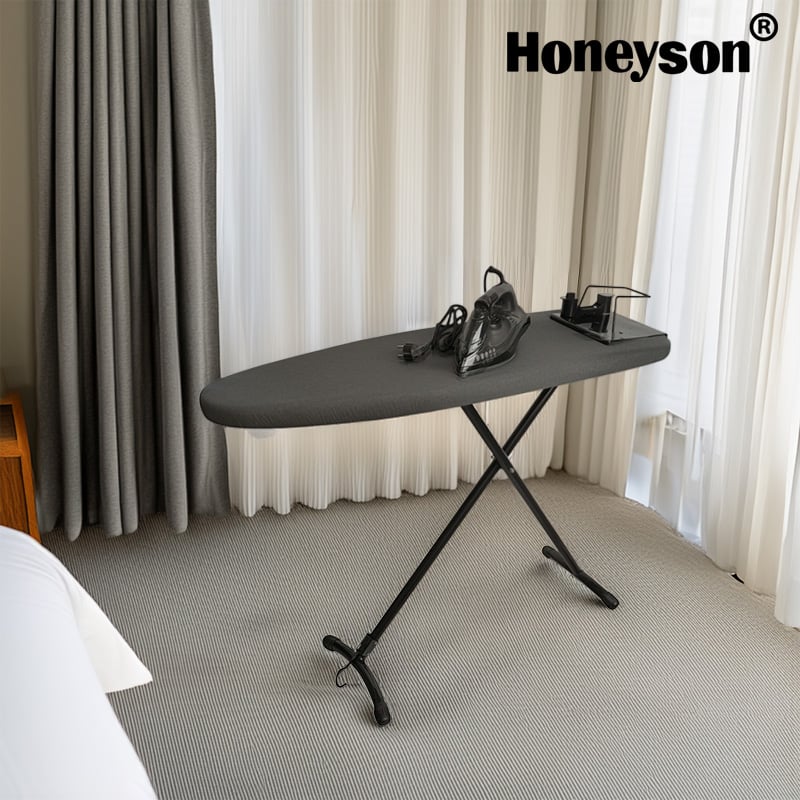
Pre-shipment inspection represents a critical quality control stage in manufacturing and distribution. For producers of ironing boards, identifying defects before products reach customers can prevent costly returns, reputation damage, and safety concerns. An ironing board must meet strict functional and aesthetic standards, whether destined for hospitality environments, retail markets, or household use. Understanding the most common defects found during inspections helps manufacturers refine production processes and ensures only compliant products reach end users.
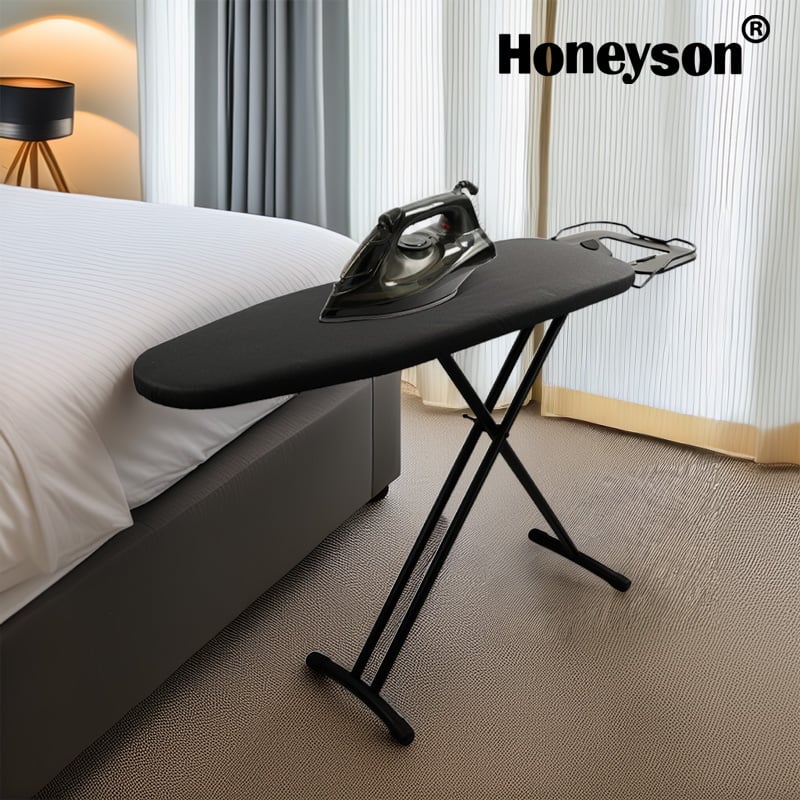
A comprehensive pre-shipment inspection evaluates structural integrity, surface finish, mechanical functionality, and packaging quality. Hotel ironing board units face particular scrutiny because hospitality operations depend on reliable equipment that withstands frequent daily use. Similarly, OEM ironing board suppliers must maintain exacting standards to satisfy their retail and commercial partners. Quality auditors systematically check each unit against specifications, marking defects by severity and category. This article explores the defects most frequently encountered during these inspections and their underlying causes.
Structural and Frame Defects
Frame Alignment and Warping Issues
Frame misalignment ranks among the most prevalent defects in foldable ironing board production. During inspection, auditors measure leg angle, cross-member spacing, and overall squareness to detect deviations from design specifications. Warping occurs when frames experience uneven cooling after welding or when raw materials contain internal stress. A misaligned ironing board will not sit flat on the ground, creating instability and safety hazards. Frame defects often result from inadequate tooling calibration, poor welding technique, or material quality variations that suppliers fail to catch before assembly.
Welding and Joint Quality
Welding defects directly compromise structural reliability of any ironing board. Inspectors examine welds using visual assessment and sometimes destructive testing to identify cracks, incomplete penetration, porosity, and spatter. A hotel ironing board subjected to intensive daily use demands robust welding that can withstand repeated stress cycles. Poor welding stems from operator error, inadequate welder qualification, incorrect heat input, or contaminated base materials. When an OEM ironing board fails its weld inspection, the entire unit must be reworked or scrapped, significantly impacting production costs and delivery schedules.
Surface Finish and Aesthetic Defects
Rust, Corrosion, and Discoloration
Surface protection failures represent common cosmetic and functional defects in ironing boards. Rust spots emerge when coating coverage proves inadequate or when base metals oxidize during storage before shipment. A foldable ironing board stored in humid environments without proper protective wrapping will develop corrosion on exposed steel surfaces. Hotel ironing board users immediately notice discoloration and rust, associating these defects with poor quality and low hygiene standards. Inspectors measure coating thickness, apply salt spray tests, and examine edges and crevices where corrosion typically begins. Surface defects often trace back to inadequate surface preparation, improper paint application parameters, or environmental control lapses in storage areas.
Dents, Scratches, and Paint Defects
Physical surface damage during manufacturing, assembly, or packaging creates rejection opportunities at inspection. An ironing board traveling through multiple production stages encounters handling risks at each transition point. Dents in the board surface reduce user confidence and suggest poor manufacturing discipline. Paint runs, brush marks, and uneven coverage indicate insufficient quality control during finishing. OEM ironing board customers reject units with visible defects because such boards will directly reflect on their own brand reputation. Scratches on the ironing surface prove particularly problematic since this is the primary contact area during actual use, and damage here suggests the product has been compromised during production or storage.
Mechanical and Functional Defects
Locking Mechanism Failures
Foldable ironing board units depend entirely on reliable locking mechanisms to remain safe and stable during use. Inspectors test the engagement, resistance, and holding strength of each lock by applying manual force and attempting to inadvertently release the board. A hotel ironing board that collapses unexpectedly poses immediate injury risk and liability exposure. Common locking defects include insufficient spring tension, misaligned locking tabs, incomplete contact between mating surfaces, and broken or bent lock components. Functional failures here typically result from improper assembly procedures, component manufacturing tolerance stack-ups, or inadequate material specification for the locking hardware itself.
Height Adjustment and Handle Functionality
Height adjustment mechanisms on hotel ironing board models must operate smoothly across their full range without binding or slipping. Inspectors verify that adjustment locks hold the board securely at any selected height setting. An OEM ironing board with sticky or loose adjustment features will quickly generate user complaints and warranty claims. Handle attachment points require careful evaluation because detachment during use represents both a safety hazard and evidence of manufacturing defect. Handles that show cracks, loose rivets, or weak welds indicate inadequate design implementation or assembly quality control. Testing these mechanical elements requires both static checks and dynamic cycling tests that simulate actual use conditions.
Quality Control and Prevention Strategies
Inspection Process Standardization
Effective pre-shipment inspection demands standardized procedures that evaluate every unit consistently. Inspectors require detailed specification documents, calibrated measuring tools, and clear acceptance criteria for each defect category. A well-designed ironing board inspection protocol takes approximately 15 to 25 minutes per unit, depending on model complexity and customer requirements. Hotel ironing board specifications often include additional checks beyond basic foldable ironing board standards because hospitality environments demand greater durability and aesthetic consistency. Implementing digital inspection checklists and photographic documentation creates traceable records that support continuous improvement initiatives.
Root Cause Analysis and Process Improvement
Defects discovered during pre-shipment inspection should trigger root cause analysis that identifies systemic manufacturing issues. An OEM ironing board producer that repeatedly encounters the same defect types should investigate upstream processes rather than simply rejecting more units. Common problem sources include supplier material quality, production equipment calibration, worker training gaps, and design documentation clarity. By addressing root causes, manufacturers reduce future defect rates, lower overall production costs, and improve delivery reliability. Data from inspection reports, when analyzed systematically, reveals patterns that guide targeted process improvements and equipment upgrades.
FAQ
What defects most commonly appear during ironing board inspection?
Frame misalignment, welding defects, rust and corrosion, locking mechanism failures, and paint finish problems represent the most frequently encountered issues. These defects span structural, aesthetic, and functional categories, each affecting product usability and customer satisfaction.
How does a hotel ironing board differ in inspection criteria compared to standard models?
Hotel ironing board units undergo more stringent aesthetic evaluation and durability testing because hospitality environments demand consistent appearance and reliable performance under heavy daily use. Inspection protocols for hotel models include additional checks on handle strength, frame rigidity, and surface finish quality.
Why do foldable ironing board locking mechanisms frequently fail inspection?
Locking mechanism defects arise from tolerance stack-ups in component manufacturing, improper assembly sequencing, or insufficient spring tension specifications. Since safety depends directly on reliable locks, any deviation from design parameters can result in failure, making this a critical control point during OEM ironing board production.
