
 EN
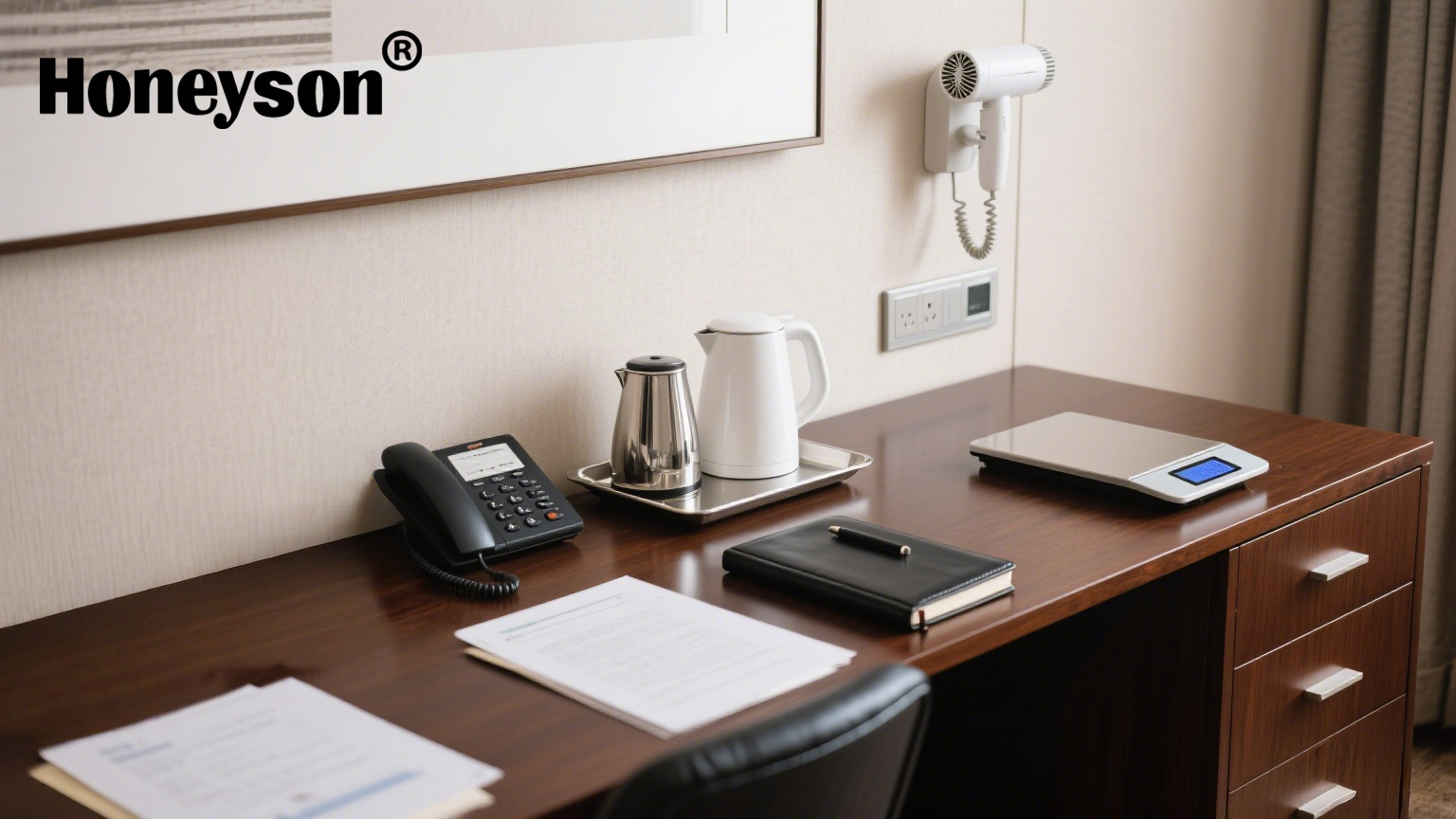
Hotel amenities represent a critical investment in guest satisfaction and operational efficiency, yet many hospitality leaders underestimate the frequency and severity of failure modes that can occur within their guest rooms. When electrical outlets malfunction, water kettles leak, or room accessories break unexpectedly, the cascading costs extend far beyond replacement—they damage reputation, trigger maintenance emergencies, and diminish the perceived value of the stay. Understanding which hotel amenities fail most commonly and why these failures occur is essential for procurement professionals seeking reliable suppliers and durable solutions.
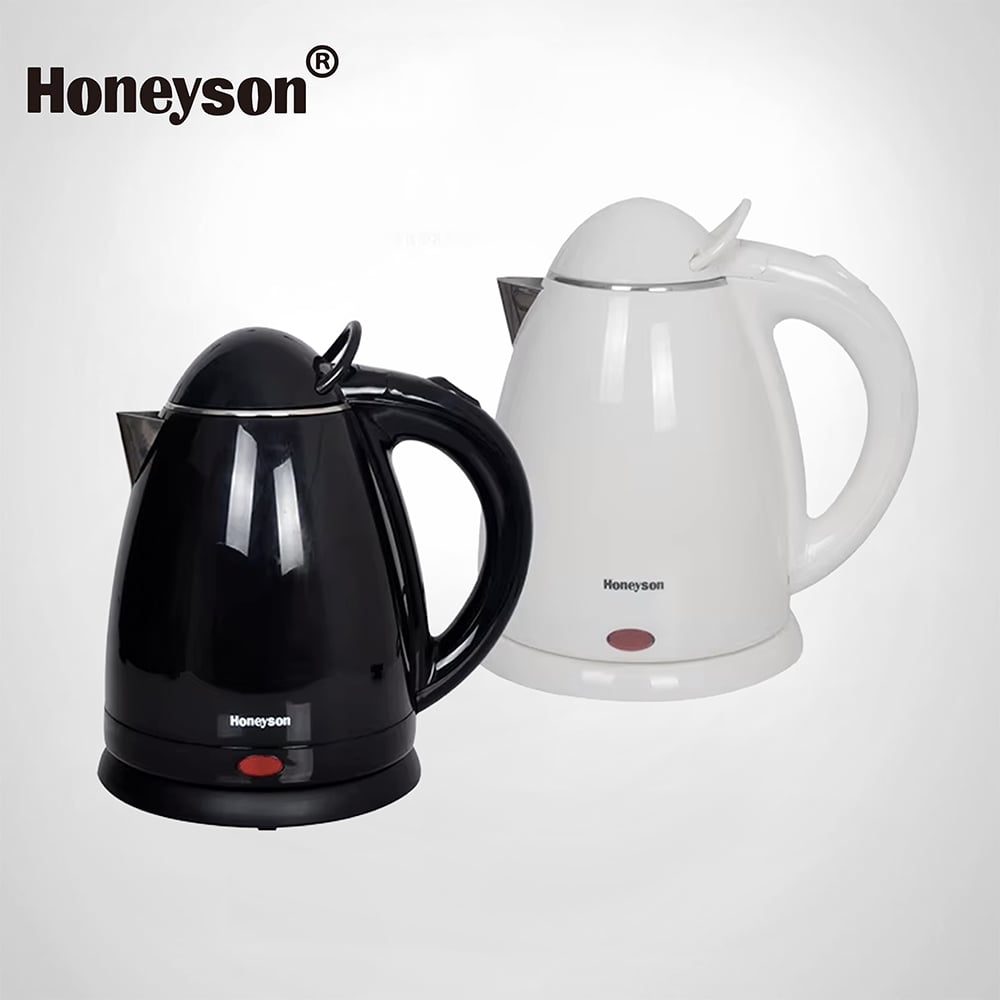
The role of rigorous testing in identifying these failure modes cannot be overstated. By subjecting hotel electrical amenities and OEM guest room amenities to standardized stress tests, thermal cycling, electrical load simulation, and durability assessments before deployment, hotels and their hotel amenities supplier partners can detect weaknesses in design and manufacturing that might otherwise surface months into service. This proactive approach transforms quality assurance from a reactive cost center into a strategic competitive advantage.
Primary Failure Modes in Guest Room Amenities
Electrical and Thermal Failures
Electrical amenities represent the largest category of guest room failures. Hotel electrical amenities such as kettles, hair dryers, charging stations, and bedside outlets experience the highest stress from continuous use cycles, guest mishandling, and manufacturing defects in power delivery components. Thermal runaway in kettle heating elements, loose solder joints in power cords, and degraded insulation are common culprits that testing protocols specifically target. When a hotel amenities supplier fails to implement accelerated life testing, these defects emerge during peak occupancy periods, forcing emergency maintenance calls and guest complaints that damage the property's online reputation.
The most dangerous electrical failure mode is intermittent contact, where connections appear secure but deliver inconsistent power. This behavior is notoriously difficult to detect in the field but readily apparent in temperature cycling tests that simulate seasonal variations and daily heating-cooling patterns. A qualified hotel amenities supplier invests in environmental chamber testing that exposes OEM guest room amenities to 50 to 100 thermal cycles, revealing connection weaknesses before products reach the guest floor.
Mechanical and Material Degradation
Beyond electrical systems, hotel room accessories frequently fail due to material brittleness, hinge fatigue, and plastic degradation. Bathroom amenities such as toilet seats, grab bars, and shower caddy racks experience repetitive mechanical stress from guest weight, vibration from plumbing, and exposure to high-humidity environments. Water absorption in polymer materials causes dimensional swelling, leading to misalignment and binding. Corrosion in metal fasteners accelerates in humid coastal properties, weakening structural integrity within months.
Testing methodologies capture these failure modes through humidity chamber exposure, salt-spray corrosion testing, and cyclic mechanical load simulation. A rigorous hotel amenities supplier will test hotel electrical amenities and accessory components under 200 to 500 mechanical cycles before certification, ensuring that hinges, clips, and fastening points retain function throughout the product lifecycle. This level of diligence distinguishes premium suppliers from vendors who rely on minimal in-house testing.
How Testing Protocols Detect Failure Modes
Accelerated Life Testing and Environmental Simulation
Accelerated life testing (ALT) compresses years of field use into weeks of laboratory assessment. When a hotel amenities supplier applies ALT to OEM guest room amenities, they expose products to exaggerated environmental stress—elevated temperatures, extreme humidity, electrical overload, and mechanical fatigue—to simulate extended guest room exposure in an abbreviated timeframe. This approach reveals failure modes that normal operation would not trigger for 12 to 24 months, enabling corrections before mass deployment. Environmental chambers that cycle between 10°C and 60°C, combined with relative humidity ranges from 20 percent to 95 percent, effectively model seasonal transitions and bathroom condensation stress.
A hotel amenities supplier employing ALT gains a significant competitive advantage because failures surface during development rather than during guest stays. Water ingress into electronic circuits, plastic crazing from thermal stress, and electrical component solder joint cracking all emerge within accelerated test windows. This proactive identification prevents the costly recall scenario and preserves brand reputation.
Electrical Safety and Load Testing
Hotel electrical amenities must pass rigorous electrical safety testing that simulates real guest usage patterns and edge-case scenarios. A comprehensive test protocol includes ground continuity verification, leakage current measurement, overload protection validation, and ground fault circuit interrupter (GFCI) response testing. Kettles, hair dryers, and charging docks are energized at 110 to 250 volts depending on regional standards, with power drawn through extended use cycles to detect thermal runaway and wire insulation breakdown. Short-circuit testing ensures that protective devices respond within milliseconds, preventing fire hazard and electrical injury.
The role of a dependable hotel amenities supplier is to implement compliance testing that exceeds regulatory minimums. While international standards such as IEC 60950 and UL standards establish baseline requirements, leading suppliers stress-test their hotel room accessories and guest room amenities beyond these thresholds to identify latent defects and design weaknesses that could escalate into safety incidents.
Durability and Functional Cycling
Functional cycling tests simulate realistic guest interaction patterns. Kettles undergo 500 to 1000 fill-heat-empty cycles; outlet receptacles endure 5000 to 10000 plug insertion cycles; shower controls execute thousands of turn-on-off transitions. These repetitive cycles expose wear patterns, electrical contact degradation, and mechanical loosening that static testing cannot reveal. A hotel amenities supplier that commits to functional cycling demonstrates confidence in their design and manufacturing quality, reducing the likelihood of premature failure in high-occupancy environments.
Selecting a Hotel Amenities Supplier with Rigorous Testing Standards
Key Supplier Evaluation Criteria
When evaluating a potential hotel amenities supplier, procurement teams should request detailed documentation of testing procedures, pass-fail criteria, and test frequency for OEM guest room amenities. A credible supplier provides independent third-party test reports, internal accelerated life testing data, and failure mode analysis summaries. Questions about test equipment calibration, environmental chamber specifications, and statistical sampling sizes reveal the depth of commitment to quality assurance. The most reliable hotel amenities supplier will proactively disclose test failures, corrective actions, and redesign iterations—transparency that indicates genuine quality stewardship rather than cosmetic compliance.
Red flags include vague testing descriptions, reliance solely on supplier self-certification, and absence of documented failure analysis. A hotel amenities supplier unwilling to share testing data or external certifications represents elevated risk, as undetected design weaknesses will surface during peak occupancy periods. Conversely, suppliers who invite property teams to observe testing or who provide real-time failure dashboards demonstrate confidence and accountability in their testing rigor.
Long-Term Partnership and Continuous Improvement
The relationship between a property and its hotel amenities supplier should extend beyond purchase transactions into collaborative quality improvement. Leading suppliers maintain feedback loops with hotel operations teams, investigating field failures, and implementing design refinements based on real-world data. Hotel room accessories that show elevated failure rates in specific climates or usage patterns inform redesign priorities, ensuring that OEM guest room amenities evolve in response to operational intelligence. This iterative approach transforms testing from a one-time gate into a continuous quality cycle that adapts to market realities and guest behavior patterns.
FAQ
What are the most common failure modes in hotel electrical amenities?
The most prevalent failures in hotel electrical amenities include loose solder joints in power delivery circuits, insulation degradation from thermal cycling, intermittent electrical contact in outlet receptacles, and thermal runaway in kettle heating elements. These defects typically emerge during accelerated life testing that simulates extended thermal and electrical stress. Water ingress into sealed circuits and corrosion at electrical termination points also represent significant failure categories, particularly in humid coastal properties.
How can testing identify hidden defects in hotel room accessories before guest deployment?
Accelerated life testing, environmental chamber exposure, and functional cycling simulate years of guest room use within weeks of laboratory assessment. By subjecting OEM guest room amenities to exaggerated thermal, electrical, and mechanical stress—combined with humidity and corrosion simulation—hidden design weaknesses and manufacturing defects surface during the development phase rather than during guest occupancy. A thorough hotel amenities supplier will employ temperature cycling, salt-spray corrosion testing, and load cycling protocols that expose failure modes invisible to visual inspection or basic functional verification.
What should hotels prioritize when selecting a hotel amenities supplier?
Hotels should prioritize a hotel amenities supplier that provides transparent testing documentation, third-party certifications, and failure mode analysis reports for all hotel electrical amenities and guest room accessories. Request evidence of accelerated life testing, electrical safety compliance beyond baseline standards, and feedback mechanisms for field failure investigation. The most reliable suppliers openly discuss test failures, corrective actions, and design iterations, demonstrating accountability and continuous improvement commitment rather than cosmetic compliance posturing.
