
 EN
EN
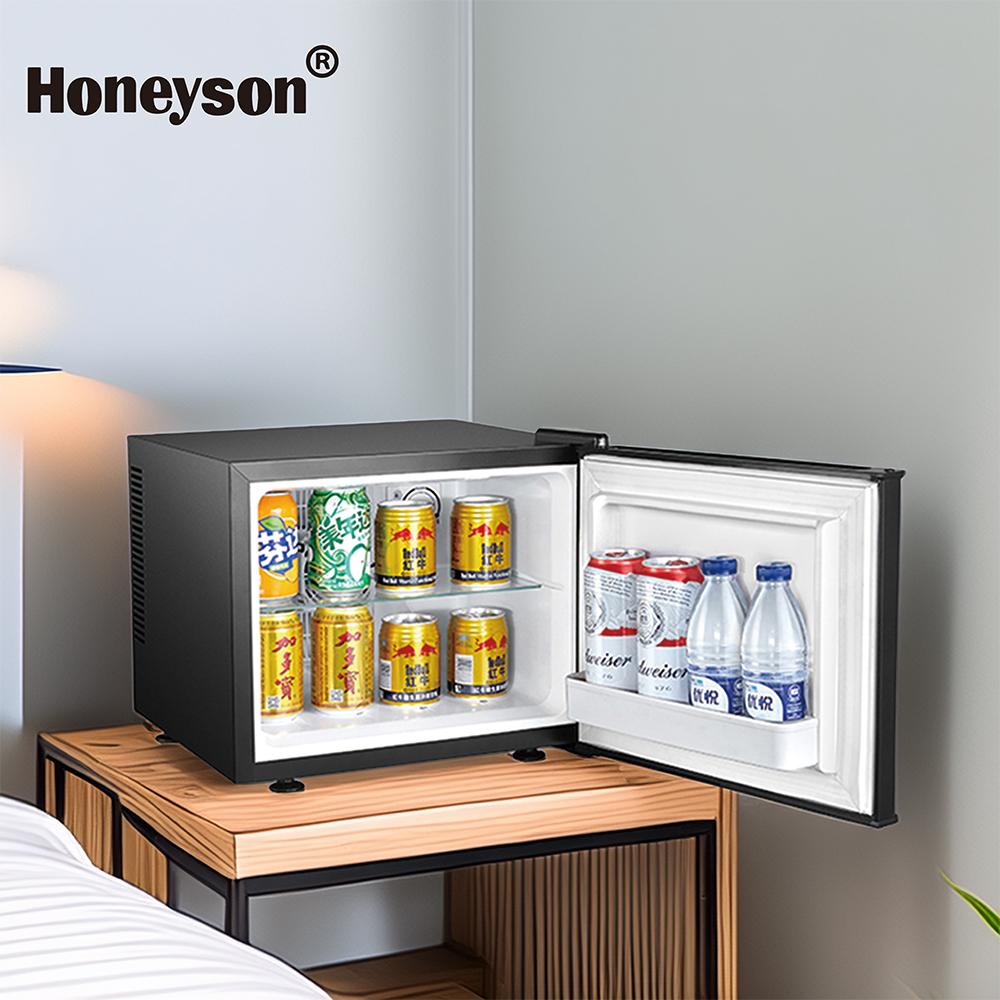
Hotel minibars have evolved from simple storage compartments to sophisticated cooling solutions that define the modern guest experience. When selecting the ideal minibar for your hospitality property, the choice of cooling technology directly impacts guest satisfaction, energy efficiency, and operational costs. Today's discerning travelers expect reliable refrigeration that keeps beverages perfectly chilled and snacks fresh throughout their stay, making the selection of an appropriate small refrigerator system a critical decision for hotel operators.
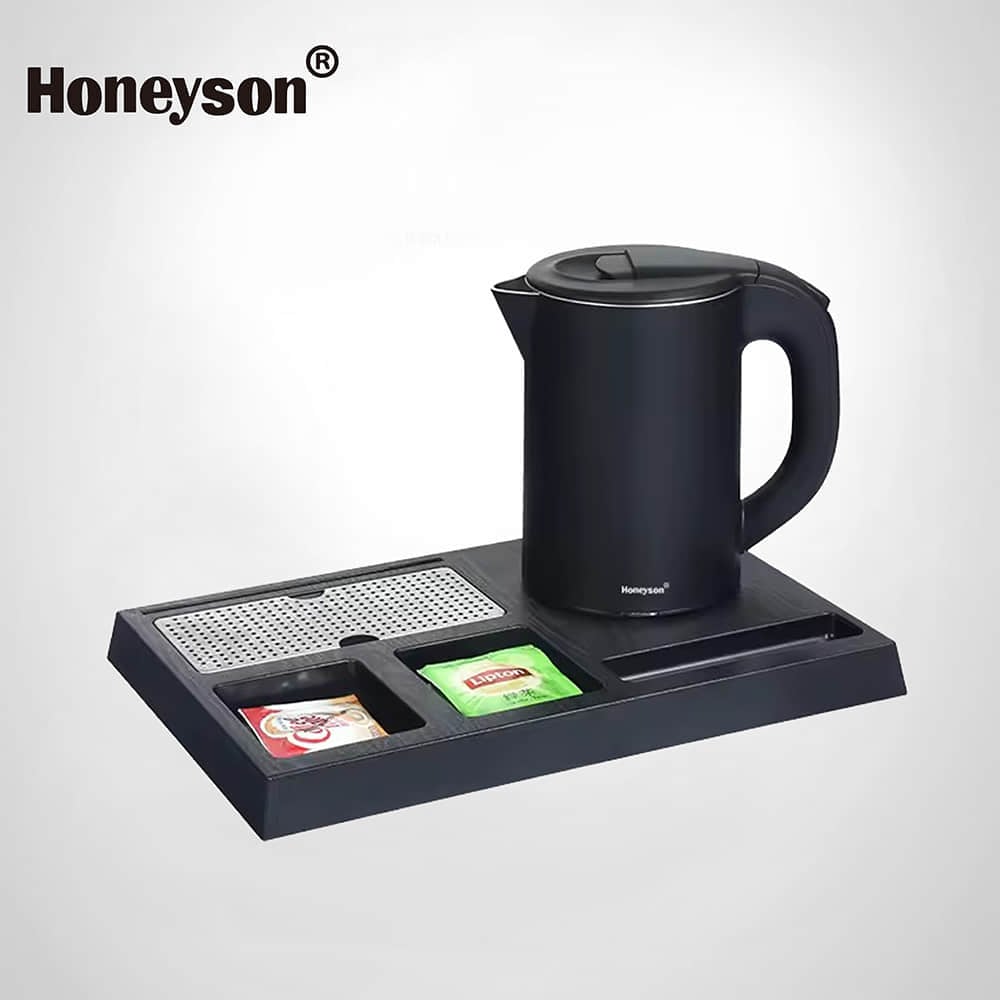
The minibar cooling solution you choose affects everything from guest comfort to maintenance schedules and environmental impact. A well-selected small refrigerator operates quietly during overnight hours, maintains consistent temperatures across different ambient conditions, and provides reliable performance that enhances rather than detracts from the guest experience. Understanding the various cooling technologies available and their specific advantages helps hotel managers make informed decisions that align with their property's operational goals and guest expectations.
Thermoelectric Cooling Technology in Hotel Minibars
Understanding Thermoelectric Refrigeration Principles
Thermoelectric cooling represents one of the most popular technologies for hotel minibar applications, utilizing the Peltier effect to create temperature differences without traditional refrigerant systems. This solid-state cooling method operates through semiconductor materials that absorb heat from the interior compartment and dissipate it externally when electrical current flows through the system. For hotel applications, thermoelectric small refrigerator units offer exceptional reliability because they contain no moving parts that can wear out or require frequent maintenance.
The silent operation of thermoelectric cooling makes it particularly suitable for guestroom environments where noise can significantly impact sleep quality and overall guest satisfaction. Unlike compressor-based systems that cycle on and off creating audible clicks and hums, thermoelectric units maintain continuous quiet operation throughout the night. This technology typically provides cooling capacity sufficient for standard minibar requirements, maintaining temperatures between 35-45°F depending on ambient conditions and load requirements.
Operational Advantages for Hotel Properties
Hotel operators appreciate thermoelectric minibar systems for their consistent performance across varying room temperatures and seasonal conditions. These units adapt automatically to ambient temperature changes without requiring manual adjustments or specialized maintenance procedures. The absence of refrigerant gases eliminates concerns about environmental compliance and leak detection, simplifying regulatory adherence for hotel management teams.
Energy consumption patterns of thermoelectric small refrigerator units remain relatively stable, making utility cost projections more predictable for hotel financial planning. While these systems may consume slightly more energy than highly efficient compressor units, the elimination of maintenance calls and replacement part costs often results in lower total cost of ownership. Additionally, thermoelectric units can operate effectively in various orientations, providing flexibility for minibar cabinet design and room layout optimization.
Compressor-Based Minibar Cooling Systems
Traditional Refrigeration Technology Adapted for Hotels
Compressor-based cooling systems bring traditional refrigeration technology to hotel minibar applications, offering powerful cooling capacity and excellent temperature stability. These systems utilize refrigerant circulation through evaporator and condenser coils, driven by a small compressor that cycles based on temperature demand. Modern hotel-grade compressor small refrigerator units incorporate advanced controls and insulation to minimize noise levels while maintaining superior cooling performance.
The cooling capacity of compressor systems typically exceeds that of alternative technologies, making them suitable for larger minibar installations or properties in extremely warm climates. These units can maintain precise temperature control even when fully loaded with beverages and food items, ensuring consistent product quality regardless of guest usage patterns. Advanced compressor designs specifically engineered for hotel applications feature vibration dampening and sound insulation to address the noise concerns traditionally associated with this technology.
Performance and Efficiency Considerations
Energy efficiency represents a significant advantage of modern compressor-based minibar systems, particularly in properties with high occupancy rates and extensive minibar usage. These units achieve optimal efficiency by cycling operation based on actual cooling demand rather than running continuously, resulting in lower overall energy consumption during periods of light usage. The rapid cooling capability allows quick temperature recovery after door openings, maintaining product quality even during frequent guest access.
Maintenance requirements for compressor small refrigerator units typically involve periodic cleaning of condenser coils and verification of refrigerant levels, tasks that can be incorporated into standard hotel maintenance schedules. While these systems may require more specialized service knowledge compared to thermoelectric alternatives, the robust design and proven reliability of compressor technology often result in longer service life and fewer unexpected failures that could impact guest satisfaction.
Absorption Cooling Technology for Premium Applications
Silent Operation Through Heat-Driven Cooling
Absorption cooling technology offers the ultimate in silent operation for luxury hotel applications where guest comfort demands the highest standards. This system uses heat energy rather than electricity to drive the cooling process, employing ammonia-water or hydrogen-ammonia absorption cycles that operate without any moving parts. The resulting small refrigerator operates in complete silence while maintaining excellent temperature stability and cooling capacity suitable for premium minibar applications.
The absorption process utilizes a small heating element to drive refrigerant through the system, creating cooling effects through evaporation and absorption cycles. This technology excels in applications where consistent quiet operation takes priority over energy efficiency considerations. Hotels targeting luxury market segments often specify absorption cooling for minibar installations because the silent operation contributes significantly to the premium guest experience that justifies higher room rates.
Long-Term Reliability and Maintenance Benefits
Absorption cooling systems demonstrate exceptional longevity in hotel applications due to their simple construction and absence of mechanical wear components. These units typically operate for many years without requiring significant maintenance beyond periodic cleaning and inspection. The sealed system design eliminates concerns about refrigerant leaks or compressor failures that might interrupt service or require emergency repairs during peak occupancy periods.
While absorption small refrigerator units may consume more energy than compressor alternatives, many hotel operators find the combination of silent operation and minimal maintenance requirements justifies the operating cost difference. The technology performs particularly well in consistently air-conditioned environments where ambient temperatures remain relatively stable, making it ideal for premium hotel guestrooms with sophisticated climate control systems.
Integration Considerations for Hotel Minibar Selection
Space Requirements and Cabinet Design
Modern hotel room layouts demand minibar solutions that maximize storage capacity while minimizing space consumption and visual impact. The physical dimensions and ventilation requirements of different cooling technologies influence cabinet design options and room layout flexibility. Thermoelectric and absorption systems typically require less clearance space than compressor units, allowing for more compact installations that preserve valuable guestroom square footage.
Ventilation considerations vary significantly among cooling technologies, with compressor systems requiring adequate airflow around condenser coils while thermoelectric units need proper heat dissipation from their external cooling fins. The selection of an appropriate small refrigerator technology directly influences cabinet design, installation complexity, and potential impact on room aesthetics. Properties with existing minibar cabinets may find certain cooling technologies more suitable for retrofit applications than others.
Power Requirements and Electrical Integration
Electrical system compatibility represents another crucial factor in minibar selection, as different cooling technologies present varying power consumption patterns and startup current requirements. Thermoelectric systems typically draw consistent low-level current, while compressor units experience brief high-current draws during startup cycles. These characteristics influence electrical system design and may affect the number of minibars that can operate on shared electrical circuits.
Hotel properties with sophisticated energy management systems benefit from understanding the power consumption profiles of different small refrigerator technologies when making selection decisions. Some cooling technologies integrate more effectively with room occupancy sensors and energy-saving controls, allowing automatic adjustment of cooling parameters based on guest presence and room usage patterns. This integration capability can significantly impact long-term operating costs and environmental performance metrics.
FAQ
What cooling capacity should I expect from different minibar technologies?
Thermoelectric small refrigerator units typically provide cooling capacity of 25-35°F below ambient temperature, making them suitable for standard beverage and snack storage in climate-controlled hotel rooms. Compressor systems offer more robust cooling with the ability to maintain consistent 35-40°F internal temperatures regardless of ambient conditions, while absorption systems provide reliable cooling performance similar to compressor units but with completely silent operation.
How do maintenance requirements differ among minibar cooling technologies?
Thermoelectric and absorption systems require minimal maintenance beyond periodic cleaning due to their lack of moving parts, making them ideal for properties with limited technical staff. Compressor-based small refrigerator units need occasional condenser coil cleaning and refrigerant system inspection but offer longer service life when properly maintained. All systems benefit from regular cleaning of interior surfaces and door seals to maintain optimal performance and hygiene standards.
Which cooling technology works best in varying ambient temperatures?
Compressor systems demonstrate the most consistent performance across varying ambient temperatures, maintaining stable internal temperatures even in warm climates or during HVAC system fluctuations. Thermoelectric units perform well in stable air-conditioned environments but may struggle in extremely warm conditions. Small refrigerator absorption systems work effectively in moderate temperature ranges but perform optimally in consistently controlled indoor environments typical of quality hotel properties.
What noise levels can I expect from different minibar cooling systems?
Absorption cooling systems operate in complete silence, making them ideal for luxury applications where guest comfort is paramount. Thermoelectric units produce minimal noise, typically under 25 decibels, which is barely perceptible in normal room environments. Modern compressor systems designed for hotel use operate at 30-40 decibels, comparable to a quiet whisper, though they may produce occasional cycling sounds that could be noticeable during very quiet nighttime conditions.