
 EN
EN
Selecting the perfect commercial blender for your hotel bar represents a critical investment that directly impacts your beverage service quality and operational efficiency. Today's hospitality industry demands equipment that can handle high-volume operations while maintaining consistency across every drink served. The right commercial blender will enhance your bar's productivity, reduce preparation time, and ensure guests receive perfectly crafted beverages every time. Understanding the specific requirements of hotel bar operations helps establish the foundation for making an informed purchasing decision that will serve your establishment for years to come.
Understanding Commercial Blender Power Requirements
Motor Specifications for Hotel Operations
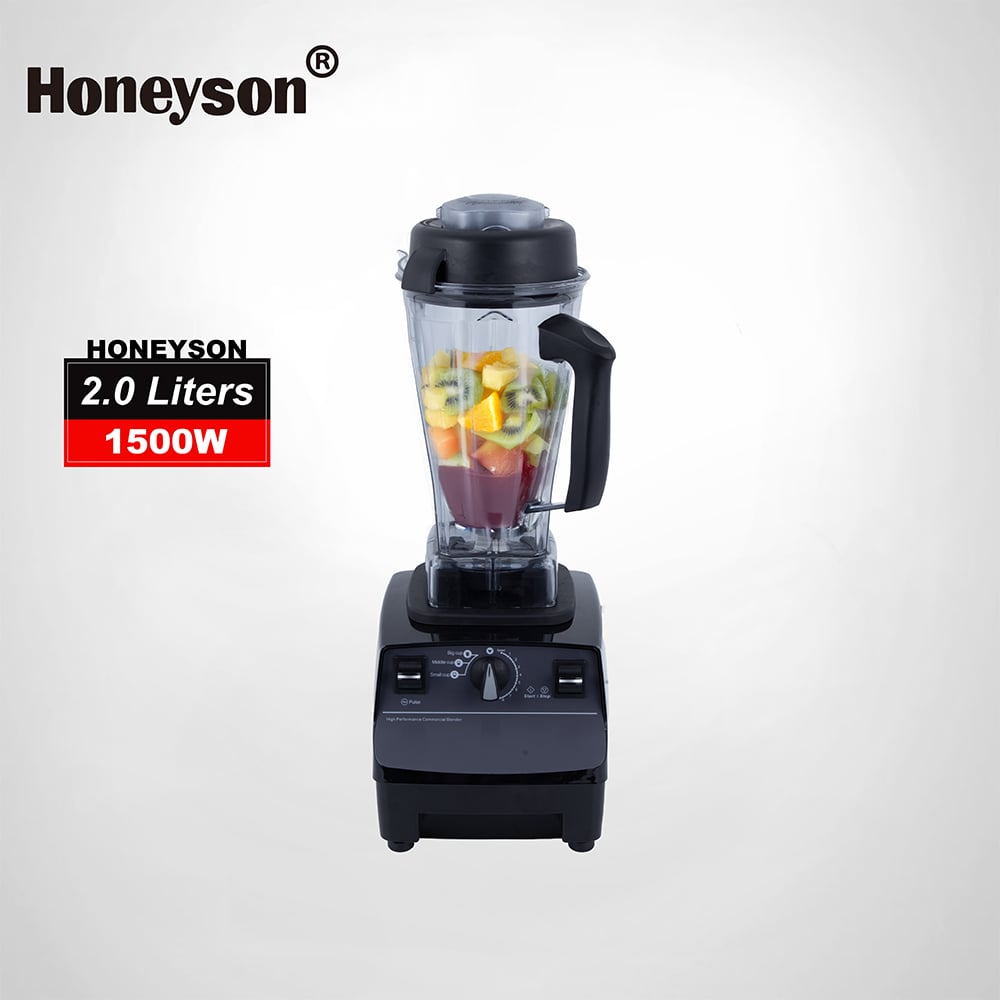
The motor power of a commercial blender determines its ability to handle tough ingredients and maintain consistent performance during peak service hours. Hotel bars typically require motors ranging from 1200 to 2000 watts to effectively process frozen fruits, ice, and dense mixtures without strain. Higher wattage motors deliver superior torque and can maintain blade speed even when processing challenging ingredients. This consistent power output ensures that every smoothie, frozen cocktail, or protein shake meets the same quality standards regardless of order volume or ingredient density.
Professional-grade commercial blender motors are designed with thermal protection systems that prevent overheating during extended use periods. These protective features become essential during busy service periods when bartenders need to prepare multiple beverages consecutively. The motor's durability directly correlates with your equipment's lifespan and maintenance requirements, making it a crucial factor in your purchasing decision. Investing in adequate motor power upfront prevents operational disruptions and ensures consistent beverage quality throughout your equipment's service life.
Speed Control and Variable Settings
Modern commercial blender units offer multiple speed settings and programmable cycles that optimize ingredient processing for different beverage types. Variable speed controls allow bartenders to adjust blending intensity based on specific recipe requirements, ensuring optimal texture and consistency. Some advanced models feature preset programs for common beverages, reducing preparation time and minimizing operator error. These automated settings help maintain consistency across different staff members and service shifts.
The ability to control blending speed proves particularly valuable when preparing delicate ingredients that require gentle processing or when creating layered beverages with specific texture requirements. Professional commercial blender models typically offer anywhere from three to fifteen speed settings, providing flexibility for diverse menu applications. Pulse functions give operators precise control over ingredient incorporation, while timer settings ensure consistent processing duration for standardized results.
Capacity and Volume Considerations
Jar Size Selection for Bar Operations
Commercial blender jar capacity must align with your hotel bar's typical serving sizes and volume requirements. Standard options range from 32 ounces to 64 ounces, with larger capacities suitable for high-volume operations or batch preparation. Consider your menu offerings and average order sizes when selecting jar capacity, as this decision impacts both efficiency and storage requirements. Larger jars allow for batch preparation of popular items, reducing individual order preparation time during busy periods.
The relationship between jar size and motor power requires careful consideration to ensure optimal performance. Oversized jars paired with underpowered motors can result in inadequate blending and inconsistent results. Conversely, oversized motors with small jars may process ingredients too quickly, potentially over-blending delicate components. The ideal commercial blender configuration balances jar capacity with appropriate motor specifications to deliver consistent results across your entire beverage menu.
Multiple Jar Systems and Workflow Efficiency
Some commercial blender systems accommodate multiple jar sizes or allow quick jar exchanges to optimize workflow efficiency. This flexibility enables bartenders to select appropriate jar sizes for individual orders while maintaining equipment versatility. Multiple jar systems prove particularly valuable in hotel bars that serve both individual beverages and larger group orders. The ability to switch between jar sizes without changing base units streamlines operations and reduces equipment footprint.
Quick-release jar systems minimize changeover time and simplify cleaning procedures between different beverages or ingredients. These systems typically feature secure locking mechanisms that ensure safe operation while allowing rapid jar exchanges. Professional-grade commercial blender bases often accept various jar styles, providing operational flexibility as your menu evolves or seasonal offerings change.
Durability and Construction Quality
Housing Materials and Build Quality
The construction quality of a commercial blender directly impacts its longevity and performance in demanding hotel bar environments. Heavy-duty housing materials such as die-cast metal or reinforced thermoplastics provide necessary durability while resisting damage from daily use. Quality construction reduces vibration and noise levels, creating a more pleasant working environment for staff and guests. Robust housing materials also provide better motor cooling and protection from spills or impacts that commonly occur in busy bar settings.
Sound enclosures represent an important consideration for hotel bars where noise levels can impact guest experience. Many commercial blender manufacturers offer sound-dampening housings that significantly reduce operational noise without compromising performance. These quiet-running models allow beverage preparation without disrupting conversations or ambient atmosphere. The investment in noise-reduction technology often justifies itself through improved guest satisfaction and staff comfort.
Blade Design and Jar Construction
Blade configuration and materials significantly influence blending performance and durability. High-quality commercial blender blades typically feature stainless steel construction with precision-engineered angles that optimize ingredient flow and processing efficiency. Multi-level blade systems create superior vortex action, ensuring thorough ingredient incorporation and consistent results. The blade assembly should resist corrosion and maintain sharpness through extensive use cycles.
Jar construction materials impact both performance and maintenance requirements. BPA-free copolyester or polycarbonate materials provide durability while maintaining clarity for attractive beverage presentation. Some commercial blender jars feature graduated markings that assist with portion control and recipe consistency. The jar design should facilitate easy cleaning while providing secure attachment to the motor base.
Cleaning and Maintenance Features
Sanitization and Hygiene Requirements
Hotel bars must maintain strict hygiene standards, making cleaning ease a critical factor in commercial blender selection. Models with removable blade assemblies simplify thorough cleaning and sanitization procedures. Some advanced units feature self-cleaning cycles that use specialized detergent solutions to maintain hygiene standards between uses. These automated cleaning features reduce labor requirements while ensuring consistent sanitation protocols.
The jar design should minimize areas where residue can accumulate, with smooth surfaces and minimal crevices that facilitate thorough cleaning. Commercial blender components should withstand commercial dishwashing temperatures and chemical sanitizers without degrading or losing performance. Easy disassembly and reassembly capabilities reduce cleaning time while ensuring all components receive proper sanitization attention.
Maintenance Scheduling and Service Requirements
Regular maintenance schedules extend commercial blender lifespan and ensure consistent performance throughout the equipment's service life. Quality manufacturers provide detailed maintenance guidelines and replacement part availability. Some commercial blender models feature diagnostic indicators that alert operators to maintenance requirements before performance degradation occurs. Proactive maintenance scheduling prevents unexpected failures during critical service periods.
Service accessibility and local support availability influence long-term operational costs and downtime risks. Choose commercial blender brands with established service networks and readily available replacement parts. Warranty coverage should reflect the demanding nature of hotel bar operations, with comprehensive protection for motors, electrical components, and mechanical assemblies. Extended warranty options often provide cost-effective protection for high-use installations.
Cost Analysis and Return on Investment
Initial Investment Considerations
The upfront cost of a quality commercial blender must be evaluated against long-term operational benefits and revenue potential. Higher-quality units typically command premium prices but deliver superior performance, durability, and reliability. Consider the total cost of ownership, including maintenance, energy consumption, and potential downtime costs when comparing options. A more expensive commercial blender often provides better value through reduced maintenance requirements and extended service life.
Financing options and leasing arrangements can make higher-quality commercial blender equipment more accessible for hotel operations. These arrangements often include service contracts and replacement guarantees that reduce operational risks. Consider the tax implications and cash flow impact of different acquisition methods when planning your equipment investment. The right financing structure can improve your return on investment while preserving working capital for other operational needs.
Revenue Impact and Operational Efficiency
A reliable commercial blender enables menu expansion and supports higher beverage sales through improved preparation speed and consistency. The ability to offer frozen cocktails, smoothies, and specialty beverages can significantly increase average transaction values and customer satisfaction. Calculate potential revenue increases based on expanded menu capabilities and improved service speed to justify equipment investment costs.
Labor efficiency improvements from quality commercial blender equipment reduce operational costs while improving service quality. Faster preparation times allow staff to serve more customers during peak periods, increasing revenue potential. Consistent results reduce waste and remake costs, improving profit margins on beverage sales. These operational improvements often justify higher equipment costs through measurable performance gains.
Brand Reputation and Warranty Coverage
Manufacturer Selection Criteria
Established commercial blender manufacturers typically offer superior product development, quality control, and customer support compared to newer or generic brands. Research manufacturer history, customer reviews, and industry reputation when evaluating options. Companies with extensive hospitality industry experience understand the specific demands of hotel bar operations and design equipment accordingly. Brand reputation often correlates with parts availability, service quality, and long-term product support.
Professional endorsements and industry certifications provide additional confidence in commercial blender quality and performance. Many established manufacturers maintain relationships with culinary schools, professional chefs, and industry organizations that validate their product capabilities. Third-party testing and certifications for safety, performance, and energy efficiency provide objective measures of equipment quality.
Warranty Terms and Service Support
Comprehensive warranty coverage protects your commercial blender investment and demonstrates manufacturer confidence in product quality. Standard warranties should cover motors, electrical components, and mechanical assemblies for appropriate periods based on expected use levels. Extended warranty options provide additional protection and often include preventive maintenance services that extend equipment life.
Service support availability and response times impact operational continuity and equipment downtime risks. National service networks with local technicians provide faster response and repair capabilities. Some manufacturers offer telephone technical support and troubleshooting assistance that can resolve issues without service calls. Comprehensive service support reduces operational disruptions and maintains consistent beverage service quality.
FAQ
What motor power is recommended for hotel bar commercial blenders
Hotel bars typically require commercial blender motors between 1200 and 2000 watts to handle high-volume operations and challenging ingredients like frozen fruits and ice. Higher wattage motors provide better torque and maintain consistent blade speed during heavy use periods, ensuring reliable performance throughout busy service times.
How do I determine the right jar capacity for my hotel bar
Select commercial blender jar capacity based on your typical serving sizes and volume requirements. Bars serving individual drinks may prefer 32-48 ounce jars, while operations preparing batch beverages benefit from 64-ounce or larger capacities. Consider your menu offerings and peak service demands when making this decision.
What maintenance is required for commercial blenders in hotel settings
Regular commercial blender maintenance includes daily cleaning and sanitization, weekly deep cleaning of removable components, and periodic inspection of blade sharpness and jar condition. Follow manufacturer guidelines for lubrication, belt inspection, and motor service to ensure optimal performance and extend equipment life.
Are sound-dampening features worth the additional cost for hotel bars
Sound-dampening commercial blender housings significantly improve the guest and staff experience by reducing operational noise levels. These features are particularly valuable in open bar areas where noise can impact conversations and ambiance. The investment often justifies itself through improved guest satisfaction and staff comfort during extended use periods.