
 EN
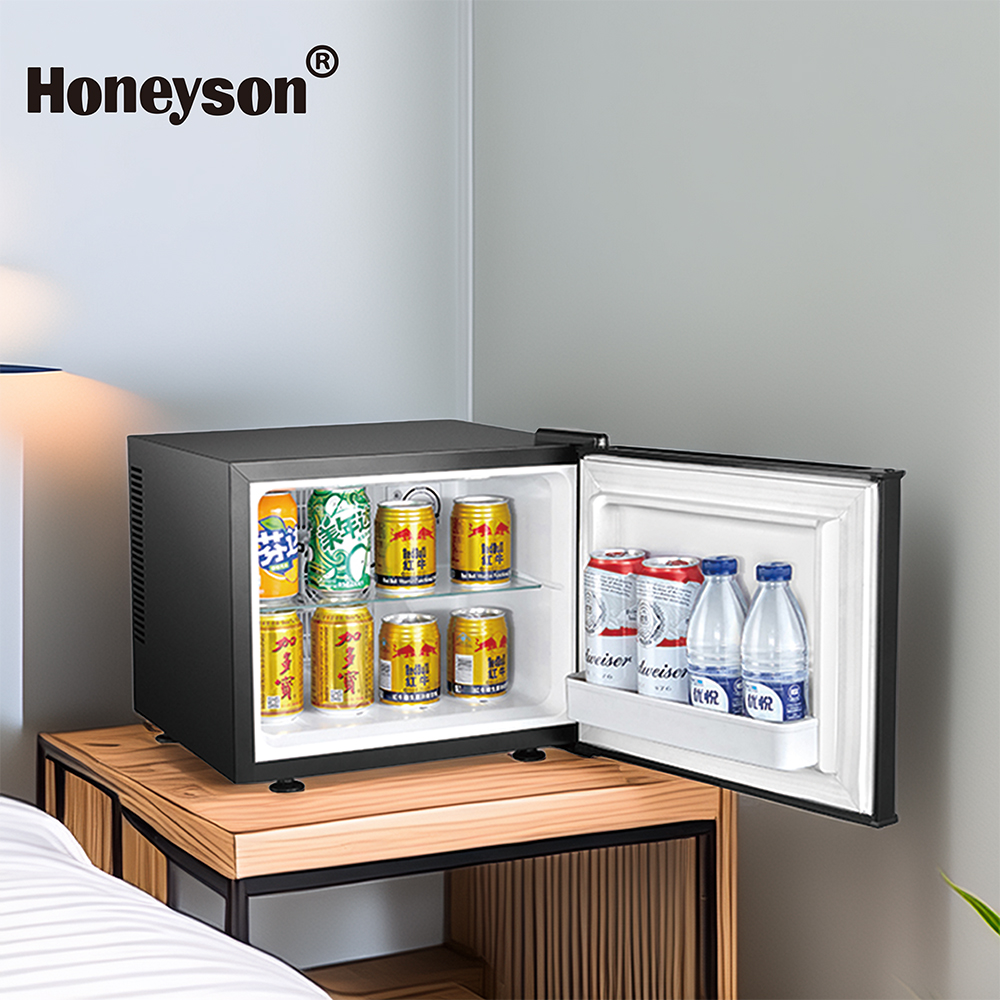
Selecting the right small refrigerator for hospitality environments requires more than choosing the smallest available unit. Guest stay types directly influence refrigeration needs, and mismatches between capacity and occupancy duration create operational friction, guest dissatisfaction, and unnecessary costs. Understanding how different stay lengths demand different storage solutions is essential for hotel operators, property managers, and procurement teams who want to optimize both guest experience and facility efficiency.
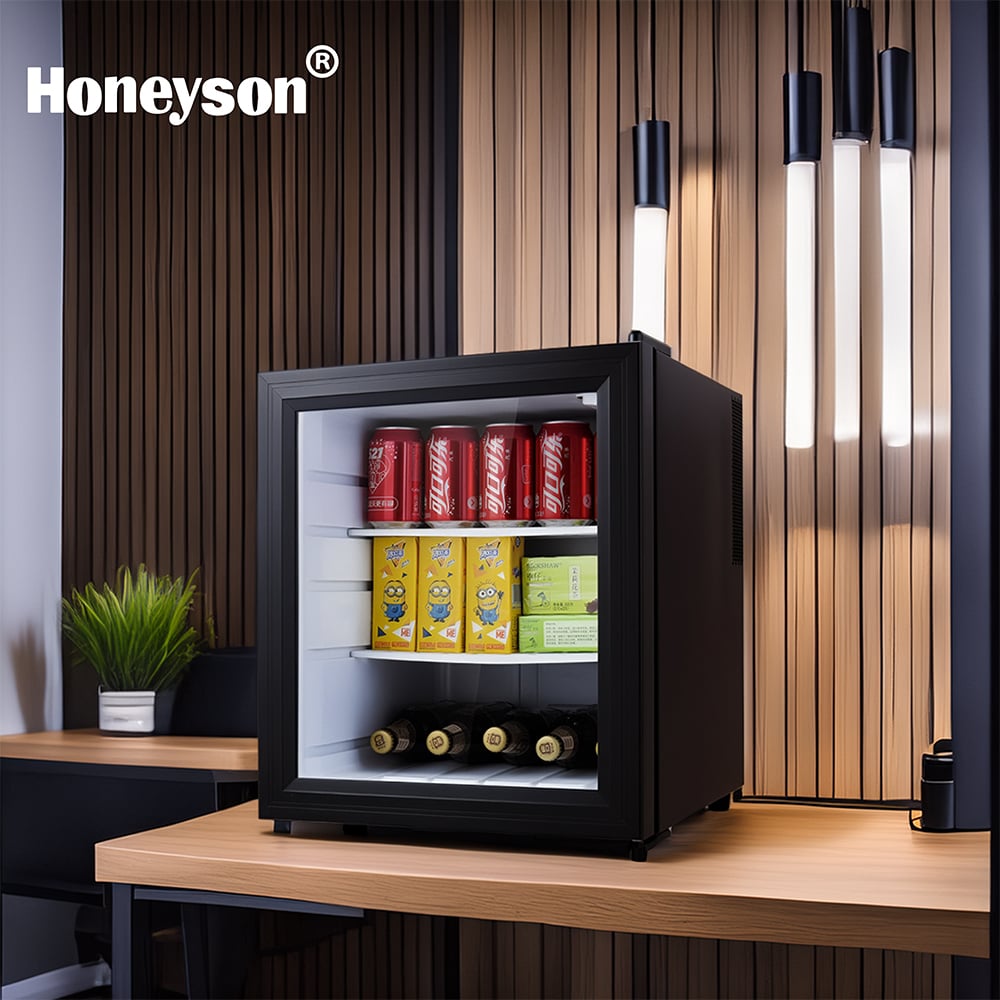
Guest stay duration shapes beverage consumption, food storage expectations, and minibar strategies. A compact fridge adequate for a one-night business traveler falls short for families staying a week, while oversized units waste energy in transit properties. This alignment between stay type and refrigeration capacity directly affects guest reviews, minibar revenue, and energy consumption. Proper capacity planning prevents guest complaints about lack of cold storage while avoiding the operational burden and expense of maintaining oversized units in high-turnover environments.
Understanding Guest Stay Duration and Refrigeration Requirements
Short-Term Stays and Minimal Refrigeration Needs
Business travelers on overnight stays typically require minimal refrigeration beyond a hotel refrigerator for beverages and basic condiments. These guests prioritize convenience over storage capacity, often keeping only bottled water, soft drinks, or small food items chilled. A compact fridge with 3 to 5 cubic feet capacity proves sufficient for this segment, as the low occupancy duration means guest inventory remains light. OEM small refrigerator designs targeting this market focus on quick cooling efficiency and minibar integration rather than bulk storage volume.
The operational advantage of right-sizing for short stays includes reduced energy consumption during off-peak seasons and simplified housekeeping turnovers. When staff can quickly restock and verify a hotel refrigerator contents between guests, operational efficiency increases. Properties that oversupply refrigeration capacity in rooms designed for quick turnover face higher utility bills and maintenance demands that erode profitability without proportional guest satisfaction gains.
Medium-Stay Guests and Moderate Storage Expansion
Extended-stay guests remaining three to seven nights require more flexible refrigeration options. These visitors often purchase groceries, store medications, or maintain personal food items alongside minibar offerings. A compact fridge capacity of 5 to 8 cubic feet accommodates this intermediate demand without overwhelming the room footprint. Hotel refrigerator units designed for medium stays typically include adjustable shelving and dedicated produce sections that weekend travelers and temporary relocations genuinely use.
The small refrigerator sizing decision for this segment balances guest autonomy with facility costs. Properties can justify higher-capacity models because the extended stay justifies energy investment and the guest motivation to use available amenities increases satisfaction metrics. Extended-stay hospitality operators report higher minibar revenue and fewer guest complaints about limited storage when room refrigerators offer this moderate capacity range.
Capacity Planning by Property Type and Market Segment
Budget and Select Service Properties
Budget-focused hospitality emphasizes operational simplicity and cost control. These properties typically serve short-stay travelers and prioritize compact fridge solutions that minimize energy footprint and maintenance requirements. An OEM small refrigerator in the 2 to 4 cubic foot range aligns with budget segment economics while meeting baseline guest expectations. The competitive advantage for budget properties comes from efficient housekeeping turnovers and reliable minibar performance rather than premium storage capacity.
Budget properties benefit from standardized small refrigerator procurement that simplifies inventory, replacement parts availability, and staff training. When all rooms feature identical hotel refrigerator models scaled for one-night stays, operational consistency improves and emergency replacements become easier to execute. This standardization strategy reduces total cost of ownership even as individual unit costs may be slightly higher through volume purchasing and OEM small refrigerator partnerships.
Extended Stay and Residential Conversion Markets
Extended-stay hotels, corporate housing, and residential conversions operate under fundamentally different capacity planning logic. Guests occupying rooms for weeks or months expect compact fridge performance comparable to apartment kitchenettes. These properties justify 7 to 10 cubic foot refrigeration units and often pair multiple units or larger models in suites. A hotel refrigerator designed for this market segment prioritizes storage organization, temperature consistency, and durability under continuous heavy use rather than quick turnover efficiency.
The economic case for extended-stay properties supporting larger refrigeration capacity includes higher nightly rates, better guest retention, and premium ancillary revenue. Guests staying extended periods show greater satisfaction when they control their food storage independently. Properties that undersupply refrigeration capacity in extended-stay segments face higher churn, lower online review scores, and competitive disadvantage against competitors offering appropriately scaled solutions.
Practical Implementation and ROI Considerations
Energy Efficiency and Operating Cost Impact
Refrigeration represents a significant energy consumer in hospitality environments, with guest room units running continuously regardless of occupancy. Selecting appropriately sized small refrigerator models directly impacts energy consumption patterns and utility expenses. Undersized compact fridge solutions reduce per-unit energy draw but may undermine guest satisfaction, while oversized capacity wastes energy cooling unused space. The optimal small refrigerator sizing balances occupancy patterns with energy efficiency, avoiding both extremes through data-driven capacity planning.
Properties can reduce energy costs by 15 to 25 percent through strategic refrigeration right-sizing combined with modern inverter compressor technology. An OEM small refrigerator featuring demand-responsive cooling cycles and improved insulation delivers guest-satisfying performance while reducing utility burden. Extended-stay properties investing in higher-capacity hotel refrigerator units benefit from economies of scale and typically recover the energy investment differential through enhanced guest satisfaction and minibar revenue within 18 to 24 months.
Guest Satisfaction and Revenue Optimization
Refrigeration capacity directly influences minibar strategy and ancillary revenue generation. Guest dissatisfaction with limited cold storage often translates to lower minibar usage, reduced in-room spending, and poor online reviews that discourage future bookings. Properties that provide appropriately scaled small refrigerator solutions for their target market segment report higher minibar revenue per occupied room and stronger guest satisfaction scores. A hotel refrigerator that matches guest expectations becomes an invisible asset that supports overall experience quality.
Strategic capacity planning also reduces guest service requests and front desk complaints about refrigeration issues. When rooms consistently feature appropriate compact fridge sizing for the stay type, staff handling time decreases and guest interactions remain positive. This operational efficiency compounds over time, improving employee satisfaction and reducing labor costs associated with refrigeration-related service recovery.
FAQ
What size small refrigerator works best for overnight business travelers?
A compact fridge capacity of 3 to 5 cubic feet serves overnight business travelers effectively. This size accommodates bottled beverages, basic condiments, and small food items without wasting energy or consuming excess room space. These guests typically stay one to two nights and require minimal storage, making smaller hotel refrigerator models both cost-efficient and appropriately functional for their needs.
How does guest stay duration affect OEM small refrigerator selection?
Stay duration directly determines refrigeration requirements and economic justification for capacity. Short stays of one to two nights justify 2 to 5 cubic foot models, while medium stays of three to seven nights support 5 to 8 cubic foot units. Extended stays exceeding two weeks may justify 8 to 10 cubic foot capacity or multiple refrigeration units. OEM small refrigerator manufacturers offer tiered product lines specifically designed to match these distinct guest stay segments.
Can strategic refrigerator sizing improve property profitability?
Yes, appropriate small refrigerator capacity planning improves both operational costs and revenue. Right-sizing reduces energy consumption for properties with primarily short-stay guests, while properly equipped extended-stay units generate higher minibar revenue and guest satisfaction. A hotel refrigerator matched to your specific guest profile optimizes the balance between capital investment, operating costs, and revenue generation, directly contributing to property net operating income.
