
 EN
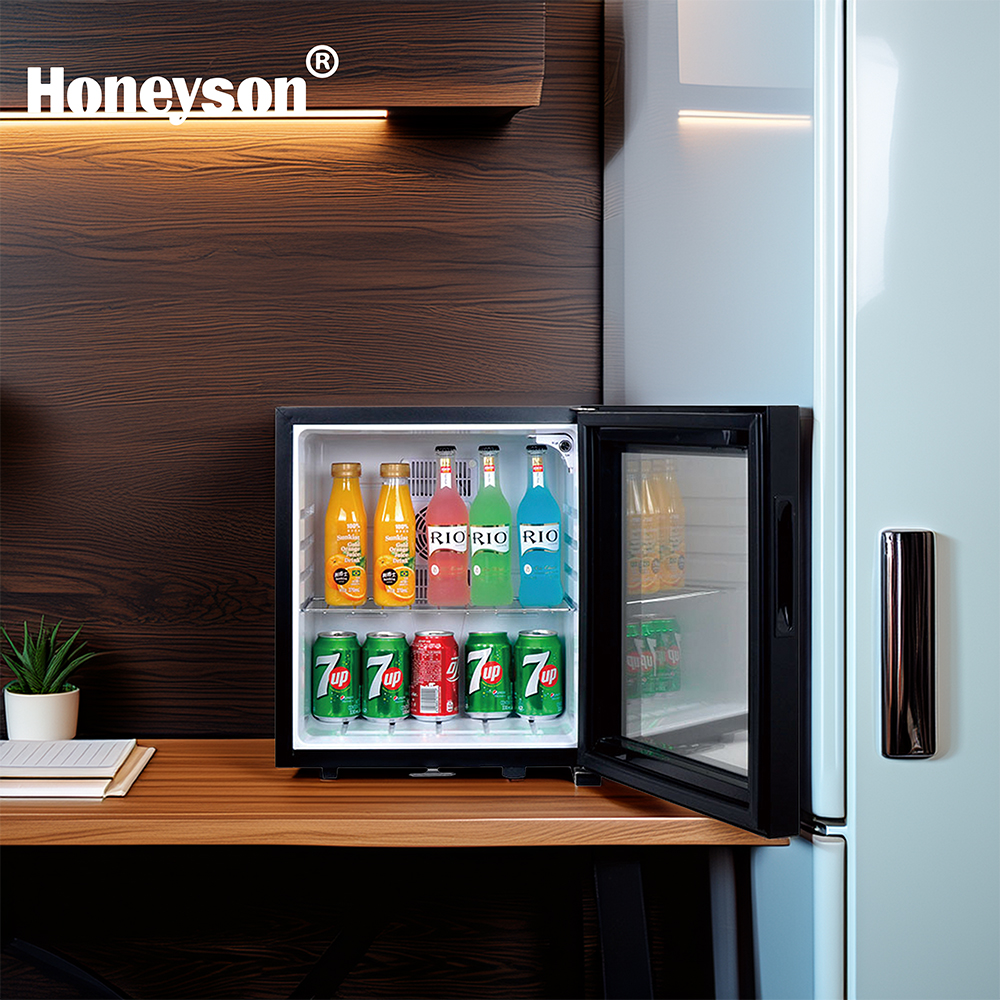
Shipping hotel amenities across international waters presents unique challenges that demand specialized packaging solutions. Products must endure extended transit times, temperature fluctuations, humidity exposure, and constant movement within cargo holds. When a hotel amenities supplier selects packaging, the decision directly impacts product integrity, replacement costs, and guest satisfaction at destination properties. Effective protective packaging is not a luxury but a business necessity that determines whether amenities arrive pristine or damaged.
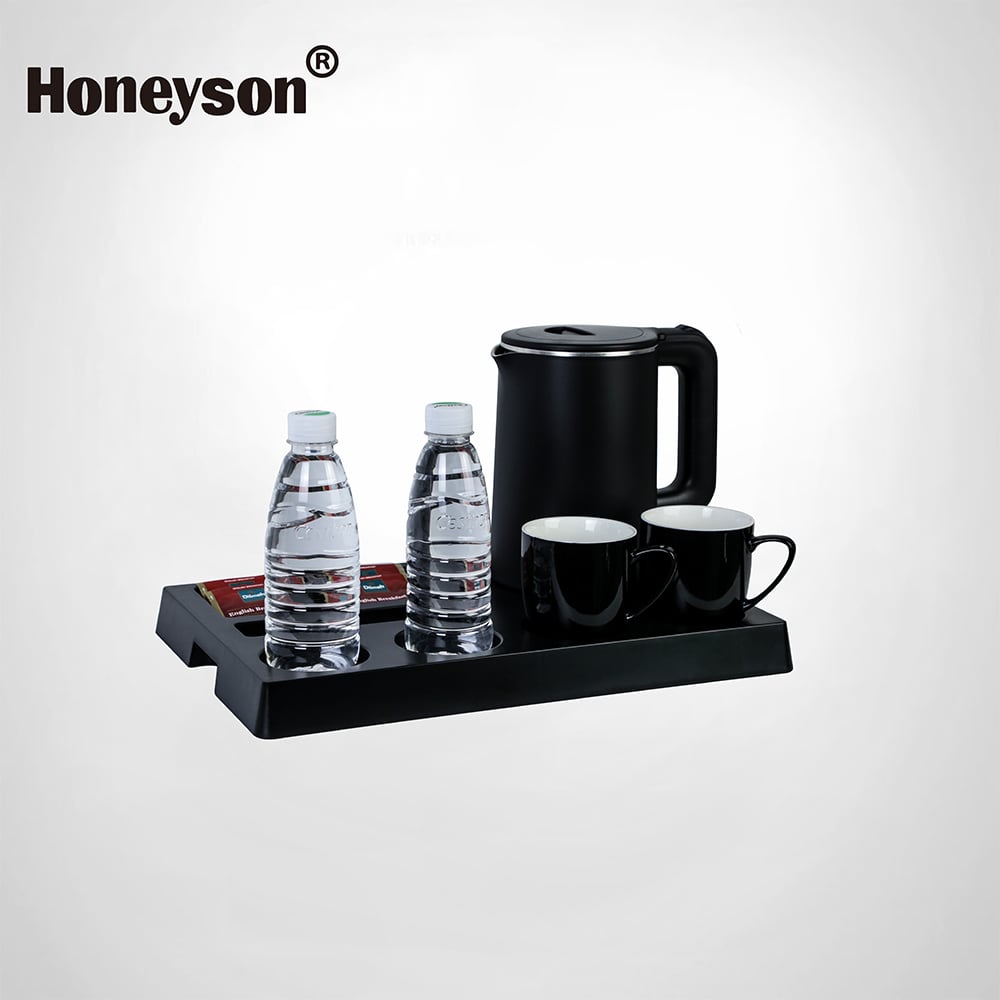
Understanding the environmental stressors of maritime transport allows hotel room accessories manufacturers and distributors to make informed packaging decisions. Sea shipping exposes products to salt spray, moisture infiltration, temperature swings, and mechanical shock. OEM guest room amenities require layered protection strategies that balance durability with cost efficiency. The right packaging framework ensures products emerge market-ready while maintaining profitability across the supply chain.
Understanding Sea Shipping Environmental Hazards
Moisture and Salt Exposure During Transit
Ocean air carries salt particles and moisture that corrode unprotected materials. Metal components in hotel electrical amenities—heating elements, electrical cords, and fasteners—face accelerated oxidation when exposed to saline environments. Moisture can penetrate standard cardboard boxes within days, compromising product coatings and electronic circuitry. A hotel amenities supplier must use moisture-barrier films, desiccant packets, and sealed outer packaging to prevent salt and humidity from reaching products. Vacuum-sealed inner wrapping provides an additional defense layer that extends protection throughout weeks-long ocean voyages.
Temperature Fluctuations and Mechanical Stress
Container ships experience dramatic temperature swings between tropical waters and cooler climates. Rapid temperature changes cause materials to expand and contract, potentially loosening product seals and cracking fragile components. OEM guest room amenities such as glass bottles, ceramics, and plastic housings are particularly vulnerable. Mechanical stress from container stacking, forklift handling, and wave motion adds cumulative impact forces that standard packaging cannot absorb. Cushioning materials—foam inserts, air pillows, and corrugated dividers—must be engineered to withstand both compression and shock loads throughout the entire shipping cycle.
Multi-Layer Packaging Strategy for Maximum Protection
Inner Packaging Design and Material Selection
The first layer of protection begins at the product level. Individual hotel room accessories should be wrapped in soft, non-abrasive materials that prevent surface scratches and preserve aesthetic appeal. Food-grade plastic films provide moisture barriers while allowing product visibility. For electrical amenities, anti-static films prevent electrostatic discharge damage to sensitive components. Each product benefits from cushioning inserts that isolate it from vibration and impact. This inner layer must be compact enough to avoid excessive bulk while providing adequate protection. Many suppliers use custom foam molds that cradle products precisely, eliminating movement within individual packaging units.
Secondary and Outer Packaging Layers
Secondary packaging consolidates individual hotel amenities into grouped units that streamline handling. Corrugated boxes with double-wall construction provide structural integrity and crush resistance. Moisture-resistant tapes and sealed seams prevent water ingress at critical joints. Outer packaging should include clear labeling that identifies contents, fragility warnings, and stacking limits. A hotel amenities supplier should specify water-resistant outer cartons combined with reinforced corner bracing. Corner protectors absorb impact energy that would otherwise transmit to interior products. Silica gel packets positioned strategically within secondary boxes absorb residual moisture during transit. The combination of moisture barriers, cushioning, structural reinforcement, and desiccants creates a comprehensive protection system that significantly reduces damage rates.
Cost-Effective Implementation and Industry Best Practices
Balancing Protection with Shipping Economics
Over-packaging inflates shipping costs and reduces profit margins, while under-packaging leads to product loss and customer dissatisfaction. OEM guest room amenities require a calibrated approach that identifies the minimum protective specifications necessary for specific product categories. Electronics-heavy amenities demand more robust protection than textiles or basic accessories. A hotel electrical amenities strategy might prioritize moisture barriers and electrostatic protection, while fragile items require enhanced cushioning and shock absorption. Testing shipments to key destination ports helps suppliers validate packaging effectiveness and identify optimizations. Real-world transit data reveals which protective elements deliver measurable damage reduction and which add unnecessary cost.
Documentation, Testing, and Continuous Improvement
Professional hotel amenities suppliers implement systematic testing protocols to verify packaging performance. Salt-fog testing replicates maritime corrosion conditions in controlled laboratory environments. Drop testing and vibration simulation expose packaging vulnerabilities before full-scale production runs. Temperature and humidity cycling tests confirm seal integrity and material stability. Documentation of these validation results provides evidence of quality assurance that reassures hotel partners and insurance providers. Continuous improvement cycles—tracking damage reports, analyzing root causes, and implementing refinements—gradually optimize packaging specifications. This data-driven approach transforms packaging from a cost center into a competitive advantage that builds brand reputation and reduces overall supply chain friction.
FAQ
What are the primary risks to hotel amenities during sea shipping?
The primary risks include moisture infiltration that corrodes metal components and electronics, salt spray exposure that oxidizes unprotected surfaces, temperature fluctuations that cause material expansion and contraction, and mechanical shock from container handling and wave motion. These combined environmental stressors require multi-layer protective packaging to ensure products arrive undamaged. A qualified hotel amenities supplier designs packaging specifically to mitigate each risk category.
How can a hotel amenities supplier reduce packaging costs without compromising protection?
Suppliers reduce costs by tailoring protection levels to specific product categories rather than applying uniform packaging to all items. Testing real shipment scenarios identifies which protective elements deliver measurable value and which add unnecessary expense. Consolidating orders to optimize container space and negotiating bulk pricing on packaging materials further reduces per-unit costs. Working with experienced logistics partners who understand OEM guest room amenities requirements helps identify cost-efficient packaging designs that maintain protection standards.
Are there industry standards for hotel room accessories packaging during sea transport?
Industry standards exist for general cargo protection, but hotel electrical amenities and guest room amenities often require customized solutions based on specific product composition and destination climate conditions. ISO standards address moisture barriers, cushioning materials, and stacking strength. However, the most effective hotel amenities supplier approach combines standard frameworks with product-specific testing and customization. Professional suppliers consult industry guidelines while developing proprietary packaging protocols validated through real-world shipping trials and damage analysis.