
 EN
EN
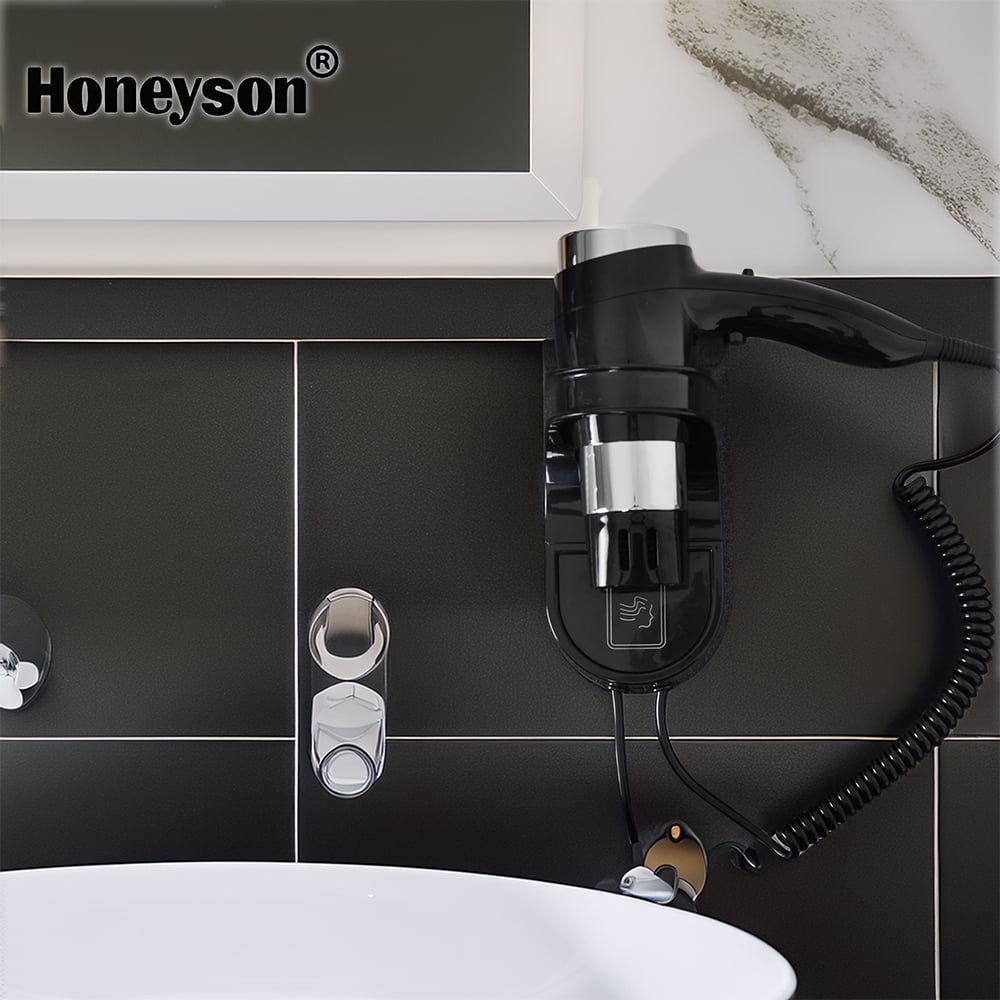
The hospitality industry is entering a new era of guest experience innovation, and the humble hotel hair dryer is no longer an afterthought. As properties compete fiercely for premium guest satisfaction scores and loyalty program retention, the in-room appliance category is undergoing a dramatic technological overhaul. Nowhere is this shift more visible than in the rapid move away from conventional thermal-motor dryers toward brushless motor, high-speed models that deliver professional-grade results in a fraction of the time.
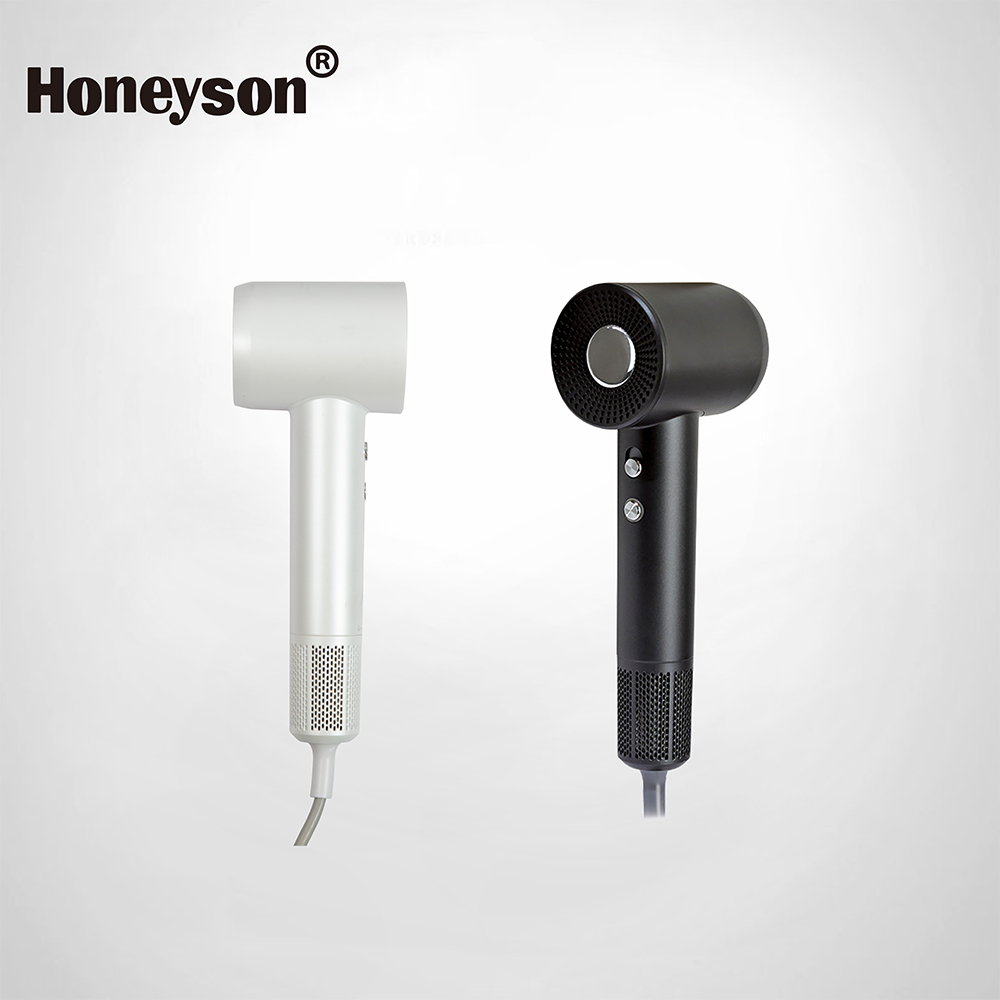
By 2026, procurement managers, hotel designers, and operations directors are expected to treat the hotel hair dryer as a strategic asset rather than a commodity purchase. The brushless motor revolution, already well-established in power tools and consumer electronics, is now reshaping hospitality appliance standards at a global scale. Understanding this trend — its drivers, its technical underpinnings, and its practical implications for property management — is essential for any hotelier positioning for the next generation of guest expectations.
The Technology Driving the Brushless Motor Transition
Why Brushless Motors Represent a Fundamental Upgrade
Traditional hotel hair dryers have relied on brush-commutated AC motors for decades. These motors work by using carbon brushes to conduct current through a rotating commutator, a design that generates considerable heat, noise, and mechanical wear over time. In a high-turnover hospitality environment, this translates into shortened appliance lifespan, frequent maintenance cycles, and inconsistent performance that guests notice immediately.
Brushless DC motors eliminate the physical brush-commutator contact entirely. Instead, electronic controllers manage current distribution to the motor windings, achieving rotation with dramatically less friction. The result is a hotel hair dryer that runs cooler, quieter, and more efficiently than anything the traditional design could offer. For a guest who has just finished a long-haul flight and wants a quick, comfortable drying experience, this difference is tangible and memorable.
The operational lifespan of a brushless motor unit typically exceeds that of a brush-motor equivalent by a factor of three to five times under continuous-use conditions. For large hotel chains operating hundreds or thousands of rooms, this longevity translates directly into reduced total cost of ownership — a metric that procurement teams increasingly prioritize alongside upfront unit cost.
High-Speed Air Technology and Its Guest-Facing Impact
The brushless motor's efficiency advantage is not just about durability — it unlocks a fundamentally different performance envelope. Because these motors can spin at much higher RPM than conventional designs without overheating, the next-generation hotel hair dryer can generate airflow velocities that dry hair significantly faster. Many new high-speed models achieve drying times that are 30 to 50 percent shorter than legacy units, without requiring higher wattage ratings.
This speed advantage matters deeply to modern hotel guests. Time-pressed business travelers and families with packed schedules increasingly evaluate amenity quality not just by the presence of a hotel hair dryer but by how effectively it performs. A dryer that delivers professional results in under three minutes elevates the morning routine and leaves a lasting positive impression that feeds directly into review scores on major booking platforms.
Reduced thermal exposure is an equally important benefit. High-speed airflow means hair reaches its dry state before prolonged heat can cause damage. Guests with color-treated, fine, or chemically processed hair are particularly sensitive to this distinction, and hoteliers in the luxury and upper-upscale segments have identified hair dryer quality as a meaningful differentiator in their bathroom amenity narratives.
The 2026 Hospitality Procurement Landscape
Shifting Guest Expectations and Review Culture
The modern hotel guest reviews everything. Online platforms now feature granular feedback categories covering bathroom amenities, and the hotel hair dryer has emerged as a surprisingly frequent subject of guest commentary. Negative mentions of weak airflow, excessive noise, or cord-tangling frustration appear in reviews at properties across all tiers. Conversely, guests who encounter a powerful, quiet, well-designed dryer often call it out as a positive highlight.
By 2026, the proliferation of social media bathroom content — a trend already well-established among lifestyle-focused travelers — means that appliance aesthetics matter as much as performance. The new generation of brushless motor hotel hair dryer designs reflects this reality, with sleek housings, balanced ergonomics, and refined color palettes that complement contemporary bathroom design rather than clash with it.
Procurement decisions that once centered solely on price per unit and warranty terms now incorporate aesthetic compatibility, brand coherence, and the projected social media visibility of in-room environments. The hotel hair dryer has become part of the broader story a property tells about its commitment to quality.
Sustainability Mandates and Energy Efficiency Pressures
Sustainability is no longer optional for hospitality operators targeting corporate accounts and environmentally conscious leisure travelers. Many institutional booking clients now require hotels to meet specific energy performance standards, and in-room appliances contribute to the overall energy audit picture. The brushless motor hotel hair dryer delivers a genuine efficiency advantage here — achieving the same or superior drying output at lower sustained wattage compared to conventional models.
When multiplied across hundreds of rooms operating over a full year, the cumulative energy savings of adopting high-efficiency hotel hair dryer units become significant. Some property operators have reported measurable reductions in bathroom electrical load profiles after transitioning to brushless motor appliances, which supports both ESG reporting requirements and operational cost reduction targets simultaneously.
Furthermore, the extended lifespan of brushless motor units reduces the volume of appliance waste generated by the property. Fewer replacement cycles mean fewer units entering the waste stream, a factor that supports circular economy commitments and reduces the procurement team's administrative burden associated with inventory turnover.
Design and Integration Considerations for Hotel Operators
Ergonomics, Noise Levels, and Room Environment Compatibility
One of the most underappreciated dimensions of the hotel hair dryer selection process is acoustic performance. A dryer that produces 70 or more decibels of operational noise creates a disruptive bathroom environment, particularly in thinner-walled rooms or suites where sound carries. The brushless motor design inherently produces less mechanical noise than brush-motor alternatives, and leading 2026-generation models are engineered with additional acoustic dampening to achieve genuinely quiet operation.
Ergonomic weight distribution is another design criterion gaining attention among hotel operators. High-speed motors, despite their performance advantage, have been miniaturized sufficiently that the overall appliance weight can be reduced compared to older, bulkier units. A lighter hotel hair dryer reduces arm fatigue during extended use, which is especially relevant for guests with mobility considerations or those drying longer hair.
Cord length, mounting compatibility, and heat-resistant housing materials complete the practical integration checklist. Properties investing in bathroom renovation or new construction increasingly specify the hotel hair dryer model alongside fixture and fitting choices, treating it as part of the total bathroom experience package rather than a last-minute addition.
Maintenance, Replacement Cycles, and Operational Workflow
Housekeeping and maintenance teams rarely receive enough credit in appliance procurement conversations, yet their operational reality shapes the true cost of any in-room equipment decision. A hotel hair dryer built on brushless motor technology requires dramatically less maintenance intervention than legacy units. The absence of brushes means there are no consumable wear components to inspect or replace on a scheduled basis.
Filter cleaning remains important for all hair dryer designs, as lint and dust accumulation can impair airflow over time. However, the high-speed brushless hotel hair dryer category increasingly features tool-free removable filter covers that housekeeping staff can clean in seconds during room turnovers. This design consideration reflects a sophisticated understanding of hospitality operations that previous generations of appliance design largely ignored.
From a procurement planning perspective, the extended replacement cycle of brushless motor units allows hotel operators to budget more predictably for appliance inventory. Rather than replacing units every two to three years, properties can plan for five to seven year lifecycles under normal usage conditions, which significantly improves capital expenditure planning accuracy.
Positioning Brushless Motor Hair Dryers Within a Broader Amenity Strategy
Aligning Appliance Tier with Property Positioning
Not every property requires the same specification of hotel hair dryer, and one of the most important strategic decisions is aligning appliance tier with overall brand positioning. Upper-upscale and luxury properties investing in premium bathroom experiences should treat the high-speed brushless hotel hair dryer as a non-negotiable standard. Guests in this segment arrive with elevated expectations and often travel with their own premium appliances — the in-room dryer must match or exceed what they are accustomed to at home.
Select-service and midscale properties can also benefit meaningfully from the transition to brushless motor hotel hair dryer units, particularly when positioned as a competitive differentiator against nearby competitors still operating with legacy appliances. The cost premium of brushless motor models over conventional alternatives has narrowed substantially as manufacturing scale has increased, making the business case accessible across a broader tier spectrum.
Extended-stay and serviced apartment properties have particularly compelling reasons to invest in high-quality hotel hair dryer units. Guests in these segments use in-room appliances far more frequently than transient hotel travelers, meaning durability and performance consistency are even more critical to satisfaction outcomes over an extended stay period.
Communicating the Upgrade to Guests and Internal Stakeholders
The investment in a premium hotel hair dryer should not go unnoticed. Properties that upgrade their in-room appliance portfolio have an opportunity to communicate this improvement through pre-arrival messaging, in-room collateral, and social media content. A brief note in the bathroom — framing the high-speed brushless motor dryer as part of the property's commitment to guest comfort — adds perceived value without requiring significant marketing spend.
Internally, presenting the brushless motor hotel hair dryer transition as both a guest experience initiative and an operational efficiency measure helps secure buy-in from finance and operations stakeholders who might otherwise focus narrowly on the higher upfront unit cost. The total cost of ownership narrative, incorporating reduced maintenance calls, extended replacement cycles, and energy savings, reframes the investment as a value-positive decision across multiple dimensions.
Training housekeeping supervisors to conduct simple filter maintenance and identify any performance anomalies during routine room inspections ensures that the quality of the hotel hair dryer experience is maintained consistently throughout the appliance's operational life.
FAQ
What makes a brushless motor hotel hair dryer better than a conventional model for hotel use?
A brushless motor hotel hair dryer outperforms conventional models in three key areas relevant to hospitality: operational lifespan, energy efficiency, and guest experience quality. The absence of brush-commutator wear means the unit lasts significantly longer under high-frequency use conditions typical of hotel rooms. The motor's efficiency allows high-speed airflow at controlled wattage levels, while the reduced noise output improves the guest's bathroom environment. Together, these factors make brushless motor units a more strategic investment for hotel operators focused on long-term value.
How does the energy consumption of a high-speed hotel hair dryer compare to older models?
High-speed brushless motor hotel hair dryer models are typically engineered to achieve superior drying performance without proportionally higher wattage. Because the drying cycle is completed faster and the motor operates more efficiently, the total energy consumed per drying session can be equal to or lower than that of older conventional models despite delivering more powerful airflow. Over a full property's annual usage across all rooms, this efficiency advantage accumulates into a measurable reduction in bathroom electrical consumption.
Is a high-speed hotel hair dryer suitable for all hair types that guests might have?
Yes, high-speed brushless motor hotel hair dryer designs are generally suitable for a wide range of hair types. The key advantage is that high-velocity, appropriately tempered airflow dries hair efficiently without relying on extreme heat concentration, which reduces the risk of heat damage for guests with fine, color-treated, or chemically processed hair. Many 2026-generation models also incorporate multiple speed and temperature settings, giving guests the flexibility to customize the drying experience to their specific hair type and personal preference.
When should a hotel consider upgrading its existing hair dryer inventory to brushless motor models?
The most strategic time to upgrade is during scheduled bathroom renovation cycles, appliance replacement rounds, or when a property is rebranding or repositioning its market tier. However, hotels experiencing frequent maintenance calls on existing hotel hair dryer units, negative guest feedback related to dryer performance, or active sustainability reporting requirements may find immediate justification for an accelerated upgrade. Given the narrowing cost premium of brushless motor models and their extended operational lifespan, the total cost of ownership case for early adoption is increasingly compelling across most property types.
Table of Contents
- The Technology Driving the Brushless Motor Transition
- The 2026 Hospitality Procurement Landscape
- Design and Integration Considerations for Hotel Operators
- Positioning Brushless Motor Hair Dryers Within a Broader Amenity Strategy
-
FAQ
- What makes a brushless motor hotel hair dryer better than a conventional model for hotel use?
- How does the energy consumption of a high-speed hotel hair dryer compare to older models?
- Is a high-speed hotel hair dryer suitable for all hair types that guests might have?
- When should a hotel consider upgrading its existing hair dryer inventory to brushless motor models?